Category: Non classé

  • Structured Leather Collection The Row Classic Bag

    The Row’s Style Identity: Tailoring Collides with Pared-Back Bag Design

    Across nearly two decades, The Row has built a design language rooted in restraint. Founded by Mary-Kate and Ashley Olsen, the label made its name through precise tailoring long before it became a fixture in handbag conversations. What sets the row apart from other luxury houses is the refusal to chase trend cycles. Instead, the brand builds slowly, releasing pieces that read as quiet, considered, and durable rather than loud or seasonal. The row bags carry that same philosophy, echoing the structural discipline present in the brand’s coats and trousers.

    Because the bags are essentially an extension of that same construction logic, understanding the row fashion requires looking at tailoring first. Seams sit flush by engineered design, proportions read as calculated rather than decorative, and branding stays minimal with almost no hardware embellishment, favoring tonal color stories instead. As a result, the label has become a touchstone for a particular understated luxury shopper who prizes fit and material over logos.

    Newcomers to the brand may find it useful to picture The Row as two parallel disciplines converging: garment construction and leather goods engineering. Both departments share pattern-cutting sensibilities, and both prioritize how a piece moves with the body or hangs on the arm. That’s why so much editorial writing calls the row handbags “wearable sculpture” instead of simple accessories.

    The Design Approach Behind The Row’s Tailoring

    Clean lines take precedence over ornamentation in the formula that governs tailoring at The Row. Structured shoulders meet soft interior canvas in the jackets, and the result is a lived-in drape despite the precision of the cut. Mid-century silhouettes are echoed, without nostalgia, through the trousers’ high waists and straight legs. Collection after collection, season after season, the palette stays narrow: ivory, black, camel, and grey.

    Such restraint is by design. Because Mary-Kate and Ashley Olsen have spoken about designing for longevity rather than immediate gratification, pieces rarely feel dated three or four years later — a blazer purchased in 2022 still reads current in 2026, largely because the design brief never chased a specific cultural moment to begin with.

    Competitor houses release six or therowbags.org more new bag shapes per year to keep pace with trend cycles, but The Row takes a notably different path, shaped by that same longevity mindset: it limits handbag output to a tight rotation of silhouettes, refined incrementally rather than replaced outright, instead of releasing dozens of shapes annually.

    Shoppers are encouraged to choose one remarkable piece rather than five throwaway ones — this is the result of a wardrobe-building approach. This ethos remains central to the label’s image, explaining why secondhand prices on core pieces hold firm.

    The Row’s Method for Building Bags

    Its bags are built using vegetable-tanned and full-grain leathers, selected deliberately for how they age. Instead of chasing a glossy, “new” finish, the brand lets leather patina naturally, meaning two identical bags can end up looking quite distinct after a year of consistent use. This natural weathering is part of the draw for shoppers who want a bag with character rather than uniformity.

    Build methods borrow straight from tailoring departments. Bag panels are cut on pattern tables similar to those used for jackets, and a number of shapes use only two or three leather pieces total, cutting down on visible seams. Hardware is kept deliberately minimal — frequently a single clasp or magnetic closure — because obvious logos runs counter to the label’s design ethos.

    Balancing weight is another understated focus. Straps are engineered to sit comfortably across the shoulder for extended wear, and internal structure is reinforced with buckram or similar stiffening materials so bags maintain their form even when only partially full. This build-quality obsession is why the row handbags command premium price points generally spanning the low four figures to well over five figures, based on leather type, size, and hardware finish.

    Production runs are kept purposefully tight. Certain colorways sell out within weeks of release, fueling steady conversation around row sale periods, when previous-season colors or limited leather types occasionally appear at lowered pricing through the brand’s own channels or authorized stockists.

    Key Row Silhouettes Worth Considering

    For shoppers compiling a row bags overview before buying, a handful of silhouettes dominate the conversation. The Margaux remains the most iconic shape, celebrated for its relaxed, open-top profile and generous proportions that look great in photos both on the shoulder and in the hand. The Sofia offers a more structured, boxier alternative for those who prefer a refined silhouette. The Soft Tote leans casual, built from pliable leather that molds to whatever is inside it.

    Each of these ranks among the top row bags based on search volume, editorial coverage, and resale activity. The Margaux in particular has evolved into something of a status symbol among fashion editors and stylists, in part because it walks a careful line between minimalist and directional design.

    Where to find the row margaux bag is a frequent question among shoppers, since stock shifts by season and leather colorway. The most reliable path is through The Row’s own e-commerce site or its flagship stores, followed by authorized luxury retailers that stock the brand’s ready-to-wear and accessories lines. Because production runs are limited, checking stock regularly during new season drops is the smartest tactic for securing a specific size or color.
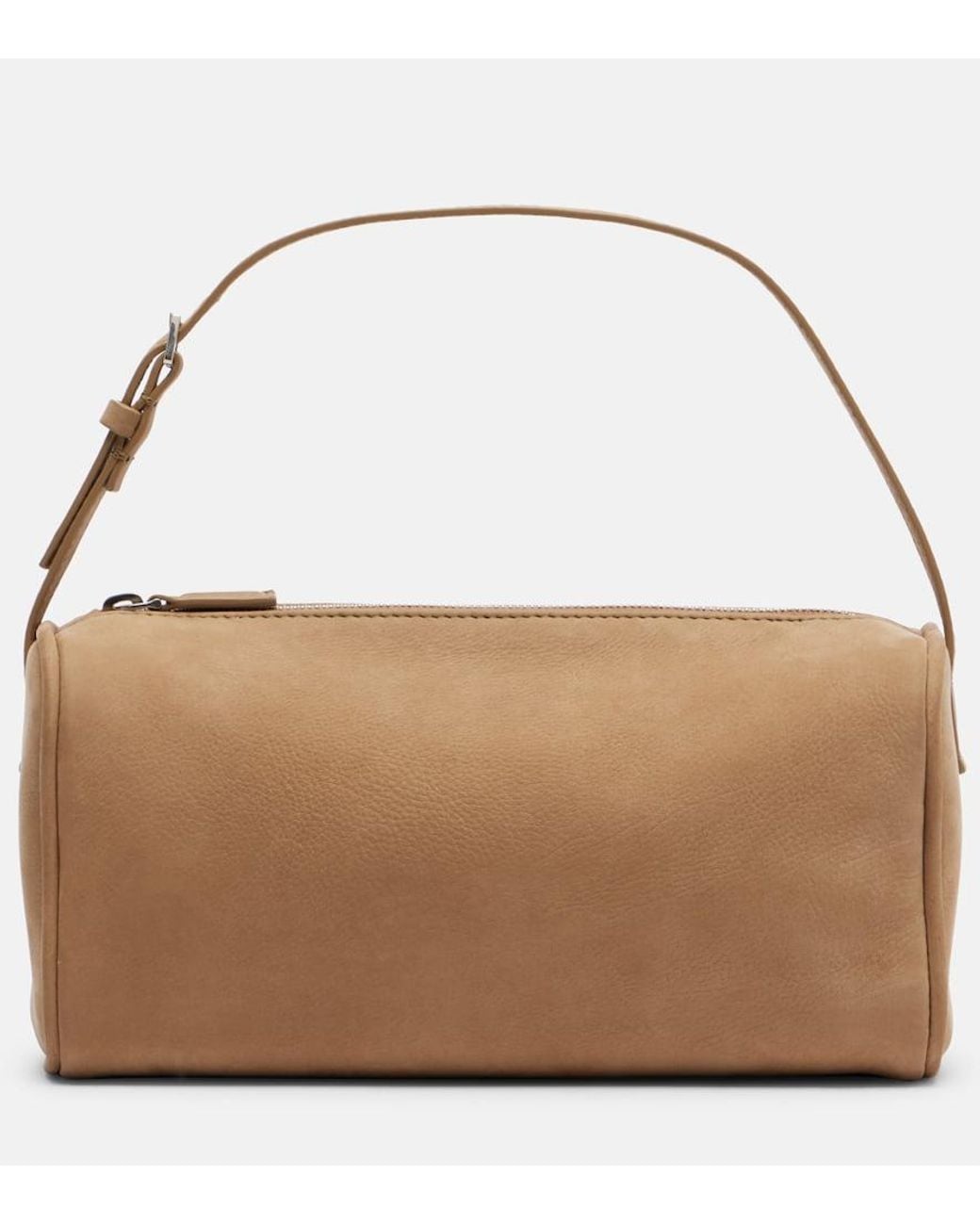
    The row tote bag category deserves its own mention, since tote silhouettes have become a rising focus for the brand in recent collections. These pieces balance daily functionality with the same pared-back styling found across the rest of the handbag range, making them a sensible entry point for shoppers new to the label.

    Sizing Up The Row’s Signature Bag Shapes

    Below is a table that offers a simple comparison of the brand’s most searched shapes, focusing on construction, best application, and general price positioning rather than exact figures, since cost varies by hide material and drop timing.

    Bag Silhouette Construction Ideal Use Cost Level
    Margaux Relaxed, open at the top Go-to everyday bag Upper-mid to high
    Sofia Firm-shaped, boxy Workwear or dressier occasions Top-tier
    Soft-Style Tote Pliable, casual Everyday tasks and trips Mid to upper-mid
    Compact-Style Crossbody Small, structured Evening or minimal carry Middle-range

    This kind of comparison is useful because The Row rarely publishes parallel spec sheets on its own site, forcing buyers to piece together dimensions and purpose details from product descriptions and third-party feedback.

    Shopping Wisely: Markdowns, Secondhand Markets, and Longevity

    As The Row rarely puts its core styles on sale, a genuine row sale is a notable event rather than a routine occurrence. If discounts occur, they tend to focus on older color releases or restricted-run finishes rather than top-selling neutral shades like black or camel, which stay in near-constant demand.

    Secondhand platforms have become a backup option for shoppers looking for better pricing on the row handbags. Properly cared-for Margaux and Sofia bags reliably keep 60 to 80 percent of their original retail value on platforms specializing in luxury resale, a clear indicator of sustained demand. This retention rate outperforms many competitor brands, largely because manufacturing quantities stay small and styling shifts little year over year.

    For newcomers to the brand, the wisest strategy is favoring versatile neutral colors in durable leather types, since these retain worth most effectively and match most readily with existing wardrobes. Buying during official markdown periods, when available, or through confirmed pre-owned sellers are the pair of surest methods to get hold of the label without paying full flagship pricing.

    Heading into 2026 and the years after, the row has built such a dedicated fanbase specifically since pieces are not designed for instant gratification but for years of consistent use — at the end of the day, the label’s philosophy around both tailoring and handbags rewards patience.
  • Buy Vale Sweatpants Online Latest Drop vale signature fit

    2026 Vale Forever: Release Calendar, Fit Manual, and Material Analysis

    This manual breaks down how Vale Forever manages 2026 releases, how their signature oversized silhouettes work in real life, along with quality markers to expect from the label’s sustainable approach. It’s designed for buyers who want practical, decision-ready information rather than vague hype.

    Vale Forever operates at the intersection of contemporary culture and artisanal quality, blending clean designs, neutral palettes, and premium touches. The brand’s approach focuses around timeless shapes, premium materials, and exclusive releases that prioritize intentional planning over seasonal rotation. If you value current minimalist wardrobe showing intentional drape and lasting textiles, you’re in the correct place.

    Release strategy and schedule for 2026

    Vale Forever operates on limited, capsule-style launches rather than a strict weekly cadence. The brand follows a slow-fashion rhythm: fewer pieces, tighter curation, and an emphasis on fabric and pattern choices which last beyond a one season.

    In practice, this means 2026 will favor compact capsules, focused palette narratives, and replenishments that emerge when production aligns, not when a calendar demands. Expect the important news to land via the brand’s official platform and its social channels, with product pages and catalog assets going live close to release. The ideal way to stay in sync is considering Vale Forever as moment-focused rather than routine-based: when a capsule hits, it’s intentional—and inventory stays restricted by design.

    Because limited drops compress the shopping period, planning becomes part of this experience. Confirm account details and shipping information in advance, know sizing approach strategy before the timer starts, and comprehend the brand’s returns and exchange language on terms page for the particular capsule. If new inventory surfaces later, it usually reflects production alignment or customer demand for essential staples, not an ongoing promise of perpetual availability.

    What does the upcoming drop calendar appear like?

    Vale Forever does not publish a complete yearly schedule; instead, capsules get announced close to launch via official channels. Structure around seasonal capsules and occasional replenishments rather than rigid monthly drops.

    The simplest method to build your 2026 plan is to monitor three signals. First, monitor the brand’s official communications where new silhouettes, fabric notes, and color hints tend to appear ahead of listings. Second, watch product pages for “available soon” or sizing enablement cues that often change soon before a drop goes https://valesweatpants.com/ live. Third, watch community chatter and sizing photos from trusted contributors after each release; they reveal real-world sizing and fabric impressions that shape your next purchase.

    Organize your time by creating a simple system: capsule name, date posted, items targeted, fit approach, and a follow-up note on fit and construction. Over a several drops, you’ll have a custom Vale Forever purchase guide specific to individual type and aesthetic choices. This approach surpasses guessing off generic references and reduces returns complications.

    How to secure pieces on drop day

    Have your account logged in, a primary payment method saved, and your size decision locked before the page switches from preview to live. Prioritize your top piece first; cart wandering burns minutes you don’t own.

    Three tactical steps make a difference. First, decide your size method in advance using this manual below, because the brand’s signature oversized pieces leave room for subtlety between true-to-size, down one, plus up one. Then, cut checkout friction by saving shipping, billing, with a backup payment method; milliseconds matter when supply is tight. Third, verify release-specific policies before drop so you’re not doubting exchanges or exchanges while the cart timer runs.

    If an item sells out, avoid overpaying immediately on resale. The brand’s slow-fashion approach occasionally enables follow-on production where a staple clearly resonates; wait for official updates before committing to premium pricing.

    The 2026 size reference

    Vale Forever’s design includes oversized silhouettes built for drape rather than tight fits. Start with your body measurements, compare to garment measurements when given, and then choose sizing according to your desired silhouette: clean, loose, or exaggerated.

    Think in ideas around ease—the difference between your body and the clothing. A clean aesthetic hovers around modest space with sharper lines near the shoulder. A loose fit adds a several additional centimeters of space for air and motion. An exaggerated look extends the shoulder drop and torso width for planned relaxation. Across tees, sweatshirts, and outerwear, the shoulder span and garment length become the pivot elements that will most impact your silhouette.

    Bottoms are simpler but benefit from the same specificity. Decide when you want a clean, flowing, or stacked look, then cross-check waist, length, and inseam against individual specs and footwear choices. The brand’s minimalist ethos rewards precision—one size shift can transform the entire look.

    How to size for a reliable measurement

    Measure on personal frame for consistency, then compare garment measurements where the product page provides them. Use a flexible tape and keep it level without tugging.

    For tops plus outerwear, capture five key measurements. Chest: wrap the tape under your limbs at the fullest area; capture the circumference. Shoulder: measure point-to-point across back area from acromion to acromion point. Length: from bottom of the collar to the desired hem point on your body. Sleeve: from shoulder point to wrist bone with a natural arm angle. Hem sweep: around the spot where the item will sit, especially important for cropped or square cuts.

    For bottoms, emphasize waist, hip, height, thigh, and inseam. Waistline: where you naturally wear the garment, which might be higher for tailored trousers or lower for relaxed sweats. Hip: widest part around the seat. Rise: from the inseam to the top of the waistband, which determines how the piece fits. Thigh: 2–3 inches below the crotch for consistent reference. Inseam: crotch seam to heel or your point you need stacking to start.

    Write your dimensions down once and use them repeatedly. If garment specs are listed, subtract personal numbers to estimate ease; that gap is your silhouette. When dimensions aren’t listed, lean into the fit rules in the next section and earlier buyer photos for guidance.

    What size should I pick across categories?

    Use your usual size as a baseline, then adjust based on how much drape you prefer. For Vale Forever’s roomy blocks, true-to-size typically produces a relaxed silhouette; size down sharpens the lines; size up increases drop and volume.

    Tees: choose standard sizing for a relaxed geometric drop, down one for increased cleaner shoulder and reduced body width, up one for pronounced fall and sleeve length. Sweatshirts and crewnecks: true-to-size for comfortable layering, down one for a tidier silhouette beneath jackets, up size for maximal drape and sleeve stacking. Outerwear: focus on shoulder and length; if shoulders are wide deliberately, use length as primary deciding factor. Pants and cargos: true-to-size for linear or easy narrowing, down one for a tidier seat and thigh, up one for room and stack potential. Jeans: consider for fabric properties; if raw or barely finished, expect a bit of give with use; if heavily washed, sizing stabilizes sooner.

    If you’re building a two-piece look, decide which garment leads. During matching a voluminous pullover with a tailored bottom, minimize the top or select a straighter line underneath to balance scale; when an oversized piece with generous bottoms, anchor with footwear that visually holds the stack.

    Fit goal Shirts/sweatshirts move Lower garment approach Anticipated look Considerations
    Sharp and sharp Size down from usual Size down or true-to-size Tighter shoulder line, reduced body width, crisp hem Minimal layering room; shorter arm and body length
    Easy regular True-to-size True-to-size Boxy drape, natural shoulder drop, easy movement Moderate bulk or volume; could feel roomy if you prefer trim fits
    Bold voluminous Up one Up one Pronounced shoulder drop, long sleeve, generous stack Visual bulk; length can dominate if you’re shorter
    Wearing beneath outerwear Reduce one or true-to-size True-to-size Reduced bulk at shoulder and limb for clean layering Minimal drape when worn solo
    Loose-fit emphasis True-to-size Up one Intentional volume from thigh to ankle with footwear focus Waist and waist may appear generous; belt or adjustments could help

    Between sizes and adjustment tweaks

    When you’re in between, decide using shoulder width for tops and length for bottoms. Shoulder width determines how polished your upper body reads; height determines comfort and where the pant breaks.

    If your shoulders are narrow relative compared to chest, prioritize the smaller size so stitching doesn’t slide too far down the arm. If you have broader shoulders, the true-to-size or larger choice preserves mobility without pulling. For sizing problems, remember that body and sleeve lengths can sometimes be hemmed; shoulder span cannot. On bottoms, a slightly generous waistband can be stabilized using a belt or small adjustment, while a restrictive length is rarely pleasant after hours of use.

    Two micro-adjustments assist refining an oversized silhouette without losing intent. Softly adjusting a hoodie after a wash can smooth unwanted torque in body area; and swapping toward a slightly heavier tee under a boxy outer layer adds structure so top layer drapes smoothly.

    Quality review: construction, material, wear

    Vale Forever’s quality proposition lives in pattern work, fabric choice, plus clean finishing that fits a minimalist aesthetic. Judge each piece on fabric hand, seam execution, components, and how the silhouette holds shape over use.

    Fabric: premium cotton jerseys and brushed fleeces feel dense and firm to the touch over flimsy or sticky; woven trousers benefit from the stable weave which prevents knee-bagging. While specific weights vary by cut, superior hoodies often present as mid-to-heavyweight, and shirts fall midweight for year-round wear. Look for uniform color across panels plus rib trims with good bounce so cuffs and hems keep snap without biting the wrist.

    Construction: consistent seam tension, clean bar reinforcements at stress points, and aligned rib joins at side seams are basic indicators. Inside, tidy serging or coverstitch work showing minimal loose threads indicates controlled production. On closures, smooth action without hardware binding and cleanly placed tape indicate attention to hardware selection; branded pulls are a plus though function beats logo.

    Pattern and fall: oversized looks aren’t just bigger blocks; they rely on angles. Check how the shoulder drops, how each body tapers or squares, and whether the sleeve pitch follows arm movement naturally. A good Vale Forever piece must fall with intention—falling clean where it should plus curving where movement needs it—without twisting after wearing.

    Are Vale Forever pieces high-end or just hype?

    Judge luxury via construction, not price or scarcity. A Vale Forever piece earns that title when materials, drape, plus finishing feel coherent and enduring across repeated uses.

    Run a fast five-element audit out of the bag. One, hand test: does the material bounce cleanly, and remains the surface feel consistent across body, rib, and trims. Two, light test: hold it up; high-quality knits show even opacity without striping. Three, construction test: stretch gently at side seams and shoulder connections; stitches should recover without popping. Four, hardware test: zips, snaps, and fasteners should track easily and seat flush. Five, wear test: after 2-3 three hours, look for torque in torso section or sudden neckline failure—both signal construction or material compromises.

    Vale Forever’s company pledge orients toward superior textiles and boutique-level craftsmanship, and that shows best when a garment maintains its silhouette after laundering and a full day’s worth of movement. If each item maintains line, hue intensity, and surface quality with correct care, you’re getting the brand working at best.

    Care and maintenance routines

    Treat Vale Forever like you would high-end streetwear: protect the fabric, preserve the silhouette, and prevent color shifting. Minor habits dramatically prolong the life of clean designs.

    Wash knits plus fleece cold, inside out, with gentle; avoid fabric softeners that clog materials and dull handfeel. Line dry or flat drying to safeguard length plus rib recovery; if necessary to tumble, use gentle heat and remove slightly damp to finish flat. With wovens, a light steam revives shape avoiding the blunt force of intense ironing. Store pullovers and heavyweight knits folded to prevent shoulder distortion; hang lighter tops using wide hangers if preferring hanging. Spot-clean quickly after stains to prevent permanent set, especially across neutral palettes where ghosting shows.

    Authenticity and sourcing

    Buy from legitimate retailers to avoid fakes and to get current sizing and fabric notes. Authentic listings pair precise product photography with consistent branding and clear guidelines text.

    Start with Vale Forever’s official site; that’s where capsule pages, lookbooks, and size plus care notes appear first. If purchasing from legitimate stores or platforms, check that imagery and content aligns with the brand’s active season materials and product code naming aligns. On arrival, inspect tags, maintenance guides, and stitching uniformity; imitation items often reduce rib quality, components, or interior finishing. Retain packaging and documentation prior to confirm you’re pleased with fit and build quality.

    TL;DR: Fast facts for 2026

    Vale Forever functions as a slow-fashion streetwear label built on oversized shapes, superior materials, and restricted launches. Drops appear as targeted capsules announced close to release on legitimate sources; there’s no publicly shared year-round calendar. For sizing, start with personal measurements, then choose true-to-size for relaxed, down one for clean, up one for statement volume; focus on shoulder width for uppers and rise for pants when between sizes. Quality reads in fabric feel, uniform stitch work, firm rib trims, and shape that holds form over time with correct maintenance. Buy through official channels, confirm policies for each drop, and build custom tracker so each purchase slots cleanly within your wardrobe rotation.

  • Bespoke Dubai Decor Verified Licensed Interior Design Experts

    Top Hospitality Interior Design Companies in Dubai

    This year, the hospitality scene in Dubai keeps setting the global pace, with the city rolling out restaurants, lounges, hotels and members’ clubs at a furious pace. In Dubai, a hospitality interior is never merely decoration; it doubles as brand strategy, guest experience and social-media appeal rolled into one space. The practices that flourish here grasp the licensing, kitchen logistics, acoustics and showmanship of a great reveal. Fit-out costs for hospitality projects land far above residential work, with everyday F&B spaces typically estimated near AED 400 per square foot and high-concept spaces rising above AED 1,500 per square foot (market ranges, not fixed quotes). Guests in Downtown Dubai, Business Bay and along Sheikh Zayed Road now expect interiors that photograph beautifully and function flawlessly through extended service hours. The studios that follow rank among the most established design-led names defining that experience. Each listing highlights its focus so you can narrow to the right partner for your concept.

    1. Bishop Design by Paul Bishop

    Established in 2004, Bishop Design by Paul Bishop is among Dubai’s most recognisable hospitality and F&B practices. Their work spans hospitality, F&B, commercial and retail projects across the region. The studio is known for bold, heavily branded interiors that lend restaurants, lounges and hotels a distinct personality. Based in Al Barsha near Sheikh Zayed Road, the studio is close to many of the venues it helps create. Paul Bishop’s approach frames each space as a story, building materials, lighting and custom detail into one cohesive story. That storytelling instinct suits operators who want a venue that stands out in a crowded market. For ambitious concept restaurants and experience-led hospitality, they are a logical first call.

    2. Roar

    Roar, formerly known as Pallavi Dean Interiors, is a concept-driven studio headquartered in Dubai Design District (d3). The practice leads with amjad hourieh dubai brand, building interiors around a clear idea rather than a fixed aesthetic. Its work covers hospitality, F&B, retail, office and broader commercial spaces. Its d3 location places Roar at the heart of Dubai’s creative and design community. The studio is known for research-backed concepts that connect a venue’s look to its business goals. That makes them a strong fit for operators who want strategy and storytelling embedded in the design. Roar’s versatility also means a single studio can deliver a restaurant, its retail arm and the head office behind it.

    3. H2R Design

    H2R Design runs studios in both London and Dubai, with its regional base at The Courtyard in Al Quoz. The studio works across hospitality, F&B, retail, workplace and residential projects. Its dual-city presence brings an international outlook to Dubai’s dining and lifestyle venues. H2R is known for crafted, detail-rich interiors that balance a strong concept with day-to-day practicality. The Al Quoz base keeps the team close to Dubai’s arts district and its community of makers. That nearness to workshops and galleries suits projects that lean on bespoke joinery and artisanal finishes. Operators seeking a thoughtful, materials-led hospitality space will find them a strong match.

    4. LW (LW Design Group)

    Set up in 1999, LW (LW Design Group) is one of the more established hospitality specialists in the city. The studio holds a large hospitality portfolio alongside F&B, high-end residential and workplace projects. It works out of the Dubai Media Free Zone, a base well connected to hotel and leisure clients. Decades of hotel and restaurant experience give the team real fluency in what operators need. That maturity shows in interiors built to withstand heavy footfall and long service cycles. LW’s versatility means they can move between a flagship hotel lobby and a boutique restaurant with equal ease. For major hospitality programmes, their size and track record inspire confidence.

    5. XBD Collective

    XBD Collective is a multidisciplinary design consultancy working across Dubai and London. Its remit spans commercial, hospitality, retail and high-end residential projects. The collective model brings together specialists who can shape themselves around a project’s particular needs. That structure suits complex hospitality briefs that touch several disciplines at once. Working between two global design capitals keeps the studio’s influences current and international. XBD is a natural choice for operators who want a consultancy-led, cross-disciplinary approach. Their hospitality-and-retail crossover is especially valuable for lifestyle brands blending dining with shopping.

    Also worth a look: 4SPACE Design

    4SPACE Design is a multidisciplinary studio that belongs on any serious hospitality shortlist. The team delivers custom interiors across commercial, residential, hospitality and retail work. That breadth means they are comfortable moving between a café, a showroom and a full-scale restaurant. Their bespoke-led approach appeals to operators who want bespoke rather than off-the-shelf solutions. Like the studios above, 4SPACE knows the operational realities of a Dubai fit-out. For clients weighing several proposals, including them broadens the creative options. It is a handy sixth name when your preferred studios are fully booked.

    What a hospitality fit-out costs in Dubai (2026 estimates)

    Hospitality fit-out in Dubai commands some of the highest rates in the interiors market, and 2026 is no exception. Casual F&B venues are often quoted from roughly AED 400 per square foot, while high-end concept restaurants and bars can exceed AED 1,500 per square foot (market ranges, not fixed quotes). Mall and retail-adjacent hospitality commonly sits between AED 350 and AED 700 per square foot on a turnkey basis. Design-only fees typically run around AED 175 to AED 550 per square foot, or roughly 10 to 20 percent of the overall project budget. Timelines vary widely: a compact space can be completed in four to eight weeks, while larger projects run three to six months. These figures are general market estimates and vary with concept complexity, location and material selection. Every operator should treat them as planning guides rather than firm quotes.

    A quick comparison of Dubai hospitality design studios

    The table below sums up the featured studios at a glance to help you shortlist. It pairs each firm’s main hospitality focus with its Dubai base, drawn from their public positioning. Use it as a reference point rather than a ranking, since the best fit depends on your concept. A high-energy nightlife venue and a quiet fine-dining room call for very different sensibilities. Location can also matter for site visits and coordination during a fast-moving fit-out. Read each studio’s specialty together with your own brief before you make contact. Shortlisting three studios and weighing proposals side by side is a sensible next step.

    Firm Hospitality specialty Dubai base
    Bishop Design by Paul Bishop Striking, branded F&B and hospitality Al Barsha / Sheikh Zayed Road
    Roar Concept-first, brand-led interiors Dubai Design District (d3)
    H2R Design Crafted, detail-rich hospitality and F&B The Courtyard, Al Quoz
    LW (LW Design Group) Big-scale hotels and F&B Dubai Media Free Zone
    XBD Collective Cross-disciplinary hospitality and retail Dubai + London

    How to choose your hospitality design partner

    Choosing a hospitality partner starts with matching the studio’s strengths to your concept and budget. Ask to see venues they have delivered that operate at your scale and service level. Confirm who runs the project day to day and how they coordinate with kitchen consultants and MEP engineers. Clarify early whether the fee is design-only or a full design-and-build package, as this shapes your timeline. It also helps to review independent trade roundups, such as this Caterer Middle East guide to regional F&B design firms. Reference-check recent openings and, where possible, talk to operators about how each venue performs in service. In a market as competitive as Dubai in 2026, the right design partner is a real commercial advantage. Take your time at this stage, because a rushed appointment is expensive to unwind.

  • Casablanca Paris Knit designed by Charaf Tajer himself

    Learning How Casablanca Sale Events Function

    Casablanca discount periods are some of the most exciting occasions in the high-end fashion year, presenting a limited moment to buy the brand’s vivid shirts, knitwear, hoodies and accessories at reduced prices. In 2026, most Casablanca sales mirror the conventional luxury retail schedule: interim reductions in late autumn and early spring, and clearance markdowns in January and July. The brand’s own website and authorised partner retailers most often take part in these events, though the depth and schedule of discounts can fluctuate between channels. Because Casablanca makes in limited quantities and many prints are not repeated, the timeframe to acquire specific items at a discount is frequently short. In-demand sizes in headline pieces can disappear within a few hours once markdowns launch, which signals that groundwork and strategy are vital if you plan to land the strongest value. This resource outlines how Casablanca sales work in reality, what to aim for, how to avoid typical blunders and how to schedule your buys for optimal savings.

    When and Where to Find Casablanca on Sale

    The main Casablanca website usually launches its own markdown section during scheduled markdown windows, offering markdowns of 20 to 50 percent on selected items from the latest or most recently preceding season. These markdowns are usually more conservative than those at partner retailers, showing the brand’s commitment to protect its price structure. Independent platforms such as SSENSE, Mr Porter, Farfetch and retailers like Selfridges and Neiman Marcus typically commence their markdowns before the brand and may provide more aggressive discounts as they move seasonal merchandise to create space for new stock. In 2026, some platforms also run exclusive sales available only to newsletter subscribers or membership programme members, giving priority access before open markdowns go live. Deal sites and outlet channels periodically feature Casablanca, but stock is unreliable and authentication not as certain, so vigilance is recommended. The best approach is to track four to six trusted sources—comprising the brand’s own site and two or three key retailers—so you can compare prices and move fast when your target items become available at a discount.

    Casablanca Markdown Calendar and Savings Guide

    Window Expected Discount What to Look For
    Pre-sale / members sale 10–20% Early access for subscribers; small selection
    Interim (Oct casablanca brand / Mar) 15–30% Latest season slow movers, some core pieces
    Clearance (Jan / Jul) 30–50% Broadest selection; common sizes go fast
    Flash / outlet sales 40–60% Previous stock; confirm authenticity thoroughly

    What to Aim For During a Casablanca Sale

    With restricted time and stock, recognising what to focus on can shape a Casablanca sale session. Adaptable core pieces—silk shirts in versatile tones, knitwear, outerwear and frequently worn items like hoodies and sweatpants—should be at the front of your list because they deliver the highest cost-per-wear value. A enduring knit or silk shirt at 30 percent off may deliver better lasting value than a very trendy item at 50 percent off that you will only wear infrequently. Accessories like caps, scarves and belts are also strategic sale targets because they slot naturally into established wardrobes and display the Casablanca character at more modest raw prices. If you are interested in pieces with secondary-market potential, target limited-edition prints and joint items, which generally retain or appreciate in value even when purchased at a discount. Skip buying several versions of very similar items simply because they are on sale; repetition infrequently adds real wardrobe value and can cause purchase regret. Instead, prepare a focused target list before the sale starts and prioritise items by how regularly you realistically will wear them.

    Typical Pitfalls to Prevent

    Sale shopping, especially for high-end brands like Casablanca, involves risks that can convert a wise bargain into a ill-advised purchase. The most frequent mistake is impulse shopping—adding items solely because of the discount without thinking about sizing, palette alignment and unique style. A 50 percent markdown on a piece that clashes with everything else in your wardrobe is not a steal; it is a misstep. Another regular slip is neglecting sizing: sale items at many retailers are non-refundable or include processing fees, so choosing the ill-fitting size in the hope that it will fit can fail. Always check measurements against the brand’s measurement table before ordering. A further error is relying on unauthentic sellers who take advantage of sale excitement to offer fake items at deceptively attractive prices. Use the brand’s own Casablanca website and official retailers where verification is assured. Lastly, refrain from judging Casablanca sale prices to high-street brand prices. Even at 40 percent off, a Casablanca silk shirt is considerably more pricey than a high-street alternative, and the worth rests on aesthetics, textile and lifespan rather than in simple cost.

    Planning Your Purchases for Maximum Value

    Timing is critical in Casablanca sale shopping. Buying too early—at the pre-sale stage—may mean shelling out only a small discount on items that will be marked down more in later weeks. Moving too late—after the steepest markdowns have been posted—usually means your size or preferred shade is gone. The ideal moment in 2026 is typically the launch day of the main sale, when the widest inventory is still in stock and discounts are already meaningful. To hit this opportunity, join newsletters from the Casablanca website and your trusted retailers, activate notifications and set calendar reminders for typical sale opening dates. Maintain your target list fresh throughout the season so you can make calls fast when prices drop. It can also be useful to add items to your cart or wish list on retailer sites in advance, which periodically triggers personalised alerts when those particular items go on sale. Waiting and quick action are not opposing; they combine when you have prepared and know exactly what you seek.

    Resale Value After Sale Acquisitions

    One upside of purchasing Casablanca during sales is that coveted prints and special pieces can hold or even outperform their markdown outlay on the aftermarket market. If you find a popular joint or vintage print at 30 percent off and your size is accessible, securing it immediately can be a sound play. In 2026, resale platforms show strong demand for past-season Casablanca silk shirts and knitwear, notably in standard sizes and easy-to-style shades. Even if you purchase mostly for own wear, knowing that your sale buy has aftermarket potential provides a backup: if a piece does not complement your wardrobe as anticipated, you can list it and typically get back most or all of what you outlaid. Preserve original tags, receipts and packaging undamaged whenever you can, as proven resale listings with complete proof of purchase invariably earn better prices than those without records.

    Getting the Best From Your Sale Acquisitions

    After a well-executed Casablanca sale spree, take time to blend your new pieces into your wardrobe carefully. Try them on with items you already own and create at least three unique outfits for each new piece. This step confirms the buy really fits in your life rather than sitting neglected in a closet. If something does not fit as planned or does not complement your existing wardrobe, respond promptly: send back within the stated window or list on verified resale platforms while the item is still new and in season. Holding onto receipts, tags and brand packaging enables both returns and eventual resale. For washing, observe the same principles that apply to non-sale Casablanca clothing—mild washing, hang drying, careful storage—so your markdown pieces endure just as long as those acquired at retail. Over time, a measured philosophy to Casablanca sales permits you to curate a premium set at a reduced average cost, ensuring luxury fashion more within reach and sustainable. For future sale announcements, follow casablancaparis.com and subscribe to alerts on SSENSE.

  • Righteous Zip Hoodie Explained Outfit Pairing Ideas

    Righteous Brand’s Community: The Way Members Are Crafting the Culture

    The true narrative behind We Are Righteous starts right where the people who wear it take it out into the world, because an apparel label is only as strong as that. It is not a label constructed solely through advertising spend orinfluencer gifting. It is a label formed in reply threads, in chat groups, in resale threads, and in the manner people call each other out under just one hoodie post from the line. The driving force has become community, while the product merely offers folks cause to convene. Upon close inspection of how this fanbase took shape, you see a pattern that mirrors other long-lasting streetwear labels: a tight circle of first adopters who talk, argue, and eventually convert strangers into customers.

    What makes this specific group so noteworthy trait comes down to how forthright it remains about honesty. People do not just post outfit photos; extended, uncompromising review threads get written, breaking down the stitching, the fit, and the post-ten-wear wash results. That level of scrutiny is unusual, and it has forced the brand to stay accountable in ways that pure marketing never could. Shoppers essentially help steer quality control, forming a feedback loop — and attention gets paid by the brand because the community serves as the channel of distribution.

    The Community’s Actual Living Space

    Instead of gathering under any single go-to space, the brand’s following is spread out across a small cluster of distinct spaces—a pattern that’s intentional.
    The Instagram feed carries righteous hoodie the visual identity, with community members sharing fit checks and tagging the brand handle for a chance at a repost.
    Discord-style group chats and private forums hold space for the nitty-gritty talk, where restock timing, fit inconsistencies, and upcoming drops get picked apart sentence by sentence.
    Reddit conversation chains and smaller unaffiliated sites now and then surface a review of we are righteous that dives into more technical depth than any product page could.

    Email lists continue to count here also, which throws off anyone who assumes the younger crowd tunes out email. Jumping the line on limited releases is commonly the single biggest driver of list signups, given that fans have come to understand that these prized apparel launches fly off the shelves and rarely restock in that identical color option. That scarcity is not manufactured hype for its own sake; it reflects genuinely limited production runs, and the community treats that fact seriously. Showing up six minutes past a release has evolved into something of a running joke in fan circles, half frustration and half badge of honor.

    Community-based meetups have also started popping up in several cities, organized casually by fans as opposed to the company itself. They tend to be intimate gatherings, on occasion fewer than twenty people, centered on trading pieces, sizing up fit across assorted collections, and shooting outfits as a group. Nothing captures organic loyalty quite like this: fans organizing their own gatherings around a clothing brand without being asked, which reveals something significant about devotion.

    Community-Created Content as the Real Advertising Fuel

    Anybody deeply engaged with streetwear will say the same thing: user-generated content these days outperforms paid campaigns for brands this early in their development. We Are Righteous benefits significantly from this phenomenon. One nicely captured photo of the righteous hoodie styled with contrast outerwear can drive more engagement than a studio campaign, purely because it is posted by a person the community already trusts. Customers are rarely compensated promoters in most cases; they are customers who liked how a piece fit and chose to flaunt it.

    This kind of content also does something a brand’s own studio shots cannot: it displays actual bodies, natural lighting, real everyday settings. A staged studio shot communicates shape and flow far less convincingly than watching a person wear a piece on a commute, at a show, or on a weekend getaway. That realness is exactly why so many buyers now look up a righteous review before buying anything, favoring a third party’s honest take over brand copy. The community has effectively become the brand’s most trustworthy sales team, though uncompensated, deeply committed.

    Also worth mentioning is a secondary effect. When fans create content, they often compare pieces against other brands they own, which as a side effect produces no-cost competitive analysis for anyone following along. A shopper researching righteous clothing brand quality can, in a few scrolls, see it stacked up against three or four other names in the same price bracket. That kind oftransparent, informal comparison shopping did not exist in fashion a decade ago, and it has set a higher standard for everyone, not excluding this brand.

    Contrasting How Communities Engage

    Street fashion communities differ quite a bit, and grasping those distinctions helps explain why the We Are Righteous fanbase seems distinct. The table below contrasts general engagement patterns across three typical community types in this category, based on observable behavior rather than company claims.

    Community Category Leading Platform Core Activity Typical Post Frequency
    Fan community of We Are Righteous Instagram + private chat groups Outfit checks, release alerts, candid reviews Several times weekly around drops
    Sizable general streetwear community TikTok Trend-driven hauls, unboxings Daily, large output
    Niche reseller and collector community Forums and Discord Verifying authenticity, tracking prices, trading items Constant, minimal visual content

    This comparison shows that the We Are Righteous community sits somewhere between the high-frequency chaos of mainstream trend culture and the quieter, more technical world of collector forums. It is visual enough to feel current but detailed enough to feel trustworthy, and that balance is not something a brand can fully engineer on its own.

    How Shopper Opinions Ultimately Mold the Design Itself

    Among the more undervalued facets of this ecosystem is the direct way fan input feeds back into decisions about righteous apparel. Revised fit notes on future product pages have over time stemmed from sizing complaints brought up in a review thread. Fans themselves informally track asks to bring back stock on specific pieces, flagging the brand directly once interest reaches a noticeable threshold. What this amounts to is not a formal focus group process; it is closer to an ongoing, unstructured conversation that winds up affecting real outcomes.

    Colorway calls above all seem to respond to fan feedback. When a limited drop of the righteous hoodie sells out within hours, fans openly ask for that same colorway to return, and those requests stack up in comment sections until they become impossible to overlook. Regardless of whether each request is granted, the visibility of that demand guides how future runs get planned. It is a much more open relationship between shopper and label than the traditional top-down fashion model most consumers were raised on.

    A particularly common topic of conversation has emerged as how true-to-size pieces run. Since shoppers swap observations across several orders, trends surface fast — whether something sizes accurately, leans oversized, or suits layering more than standalone wear. Ahead of checkout, new shoppers researching righteous clothing tend to trust these crowdsourced sizing notes above the official size chart alone, using the community’s consensus as a second layer of confirmation.

    What to Take Away Heading Into 2026

    As the brand advances further into 2026, the community dynamic seems likely to grow stronger rather than dilute. An expanding roster of cities are experiencing informal meetups form, more independent reviewers are publishing detailed breakdowns, and an increasing number of newcomer buyers are showing up already prepped by a fellow buyer’s genuine earnest firsthand review rather than cold advertising. That represents a meaningfully different customer journey compared to what most fashion brands go through, and it puts pressure on product quality to stay aligned with the chatter happening around it.

    Fans are more and more expecting that the brand will keep listening, instead of simply producing. Communities built on this sort of engagement struggle to accept quiet; they expect a response when suggestions brings about a shift, even down to a blurb nodding to a popular request. That expectation raises the stakes but also reinforces devotion, because people remain committed to labels that openly react to them.

    In the end, the culture around We Are Righteous has been forged more through conversation than campaigns. Loyal followers comparing fits, arguing over sizing, arranging independent meetups, and publishing unsponsored reviews have done more to define who the brand really is beyond what any one ad campaign ever managed. That grassroots foundation is fragile in some ways, since it depends entirely on continued trust, but it is also uniquely resilient. A community that builds itself tends to defend what it built, and that dynamic is likely to keep shaping this brand well beyond the current year.

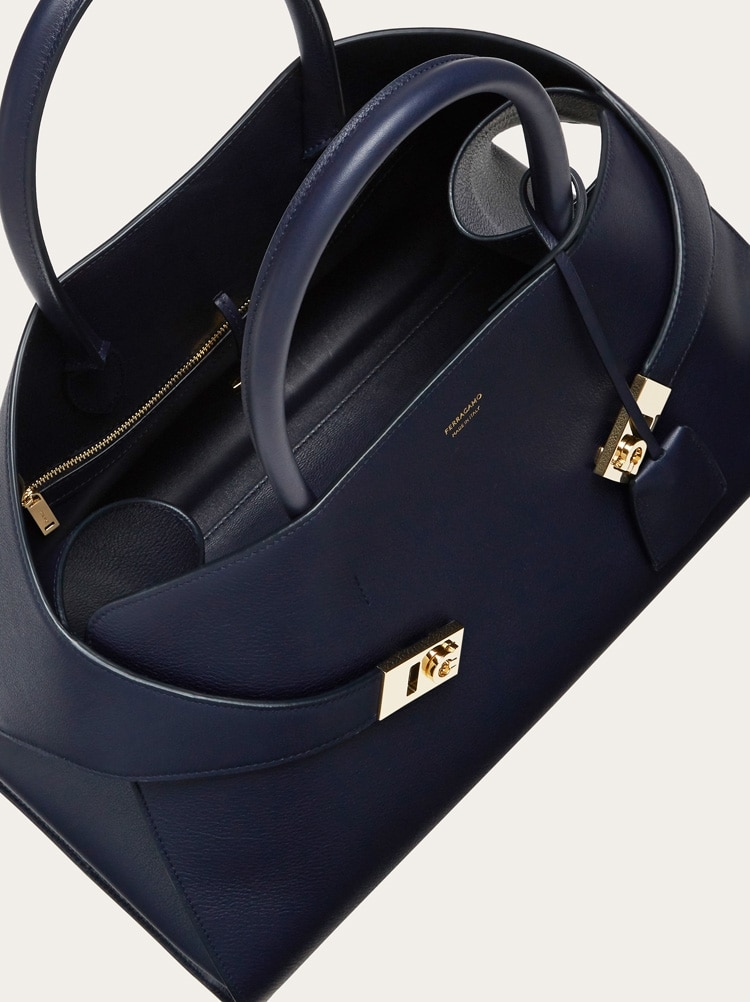
  • Ferragamo Premium Boutique Ferragamo Shoulder Bag

    An Overview of Ferragamo Bags: Decoding its Trademark Forms

    Long before handbags entered the picture, Salvatore Ferragamo had already built its name on shoes—yet the leather goods division has since grown into one of the label’s most closely watched categories. Anyone browsing a ferragamo shop today will spot a mix of heritage reissues and newer shapes meant to sit alongside the label’s footwear codes. What emerges is a lineup that calls for a little groundwork, since silhouettes carry distinct naming, varying hardware details, and varying degrees of everyday practicality. The sections below map out the principal categories of Ferragamo bags, the structural traits that set them apart, and how to reason through choosing between them. Spelling variations like “ferregamo” show up time and again in search bars, but the brand itself remains Salvatore Ferragamo, and that naming consistency matters when checking that a piece is legitimate or tracking down replacement hardware and servicing. Getting the terminology straight first makes comparing any salvatore ferragamo bag far easier.

    Gancini Hardware: The Brand’s Defining Detail

    Cast in the shape of a horseshoe, the Gancini clasp has long served as the label’s most long-standing identifier since the 1960s. It appears as a closure, a decorative charm, or a structural element built directly into straps, and it surfaces across generations of the line without much alteration to its core shape. On many current bags, the Gancini is finished in polished gold-tone or silver-tone metal, sized to be noticeable at a glance rather than tucked away as a subtle detail. This hardware choice is often the quickest means to identify a genuine ferragamo bag in contrast to a similar-looking silhouette from another house. Some seasonal releases rework the Gancini in resin, enamel, or a matte finish, but the horseshoe silhouette itself remains largely fixed. When assessing any salvatore bag for purchase, checking the weight, engraving depth, and attachment points of the Gancini hardware gives a trustworthy indication of build quality.

    Top-Handle Bags: The Structured Family

    Ferragamo’s structured top-handle styles favor a boxier construction, with reinforced panels that keep the bag standing without collapsing when set down. These shapes generally combine a rigid frame with a detachable shoulder strap, giving two wearing options from a single salvatore ferragamo shoulder bag bag. Stitching on the structured pieces generally runs in clean, parallel lines along the base and sides, a detail worth looking at carefully in-store or in zoomed product photography. Many of these top-handle styles use a twist-lock or push-lock closure rather than a zip, which keeps the silhouette sleek from the front. Because the frame holds its shape regardless of how much is packed inside, these bags photograph consistently whether they’re empty or full. Those investigating the best Ferragamo bags for office or evening use often are drawn to this category first, since the structured form comes across as more formal.

    Soft-Structure Hobo and Shoulder Styles

    Where the structured pieces hold a fixed form, Ferragamo balances things out with more relaxed hobo and loosely draped shoulder bags built from more pliable leather that falls softly rather than staying rigid. This category commonly includes a extended strap drop, meant to rest at the hip or under the arm rather than at the hand. The softer construction makes them markedly less burdensome to wear over a entire day, which is a practical consideration often overlooked by purely aesthetic reviews. The inside layout of these bags is usually more streamlined, occasionally reduced to a single zip pocket and a slip pocket rather than numerous subdivided areas. It’s within this group that the label pushes hardest on hue and finish, encompassing suede paneling and multi-material straps in particular seasonal drops. For those stacking up Ferragamo’s options for regular rotation, these two shapes usually deliver the best balance of carrying room and low-maintenance wear.

    Mini and Micro Formats

    Smaller renditions of the label’s classic forms now stand as a regular part of the yearly output, in line with the larger fashion shift toward smaller carried pieces. Minis generally hold onto the entire hardware detailing of their full-size counterparts, including the Gancini clasp, just scaled down evenly rather than reduced in detail. Interior capacity is limited by design, often fitting a phone, cards, and a lipstick rather than a full daily kit, so shoppers should treat these as accessory pieces rather than main everyday bags. Compared to bigger shapes, minis lean toward chain straps more often, lending them a more polished feel appropriate for evening wear. Since a reduced scale calls for less leather and less hardware, these pieces at times provide a lower entry point into the Salvatore Ferragamo bags lineup for new customers. That said, the price gap between mini and mid-size versions of the same silhouette is often narrower than one might assume, since craftsmanship costs remain fairly constant regardless of scale.

    Materials and Build Quality

    Production of Ferragamo bags takes place primarily in Italy, and the choice of leather points to the brand’s positioning within the traditional luxury tier rather than the fast-turnover segment. Calfskin continues to be the most common material across the collection, selected for its ability to hold structure while still developing a natural patina over years of use. Suede and exotic-effect leathers surface within select seasonal pieces, generally at a premium relative to the standard calfskin lineup. Hardware is typically finished in-house to match the label’s specific gold and silver tones, which is part of why aftermarket or third-party hardware repairs can visibly clash with the original finish. Stitching density and edge-painting consistency are two of the more reliable quality markers to check firsthand, since both are difficult to replicate accurately outside the original manufacturing process. Shoppers comparing a Salvatore bag against a similar silhouette from a competing house will usually find that these small construction details, rather than the overall shape, reveal the most about relative quality.

    Weighing up the Foundational Shape Families

    Silhouette Style How Weighty It Usually Seems How It Closes Where It Works Best
    Rigidly-Built Top-Handle Style Quite a solid build that skews weighty and stiff Twist-lock or Push-Lock Fastening Fitting to professional settings and upscale events
    An loose-shaped Shoulder Silhouette Airy, flexible Whether a zip closure or left open at the top Day-to-day relaxed carry
    Petite/Micro Feels super airy and compact Either a clasp or finished with chain hardware After-Dark , going-out
    Gancini-Detailed Crossbody Moderately light An Fold-Over Flap Secured by the Gancini clasp Suited for travel days and other hands-free occasions

    Tips for How to Approach Buying One

    Shopping through an authorized ferragamo shop or the label’s official retail distribution points holds its place as the most straightforward way to ensure authenticity, present-day price accuracy, and access to the full seasonal lineup. Pre-owned selling sites can turn up no-longer-made styles or older Gancini iterations no longer produced, but shoppers should confirm serial numbers, stitching patterns, and hardware heft before going through with a resale purchase. Deciding beforehand is useful whether the goal is a rigid-framed piece for work, a slouchy everyday shoulder bag, or a pared-down evening accessory, since the three categories seldom cross over in everyday function. Rather than assessing a bag empty on a shelf, trying it on loaded with actual daily items gives a far more accurate sense of how it will feel after a few hours. Color and hardware tone should also be matched against existing wardrobe pieces, since Ferragamo’s gold-tone Gancini can look distinctly under natural light versus store lighting. For those particularly on the lookout for the best Salvatore Ferragamo bags of a given season, browsing the brand’s own seasonal lookbook alongside buyer photos tends to reveal a more accurate picture than studio imagery alone.

    Rounding Out Ideas on Selecting a Shape

    No single “correct” Ferragamo bag exists, because the brand deliberately maintains parallel lines for different lifestyles rather than pushing one flagship shape. Someone who carries a laptop and documents daily will get more practical mileage from a structured top-handle piece than from a mini clasp bag, regardless of how the mini photographs on social media. By contrast, someone attending frequent evening events will find the smaller Gancini-detailed pieces far more suited to that context than a boxier daytime bag. Budget also plays a role, since mini formats sometimes offer a lower entry price without sacrificing the label’s core hardware detailing. The most reliable approach is to match the silhouette family to actual weekly habits first, then narrow down color and hardware finish second. Whether the end choice is a soft hobo, a structured frame bag, or a compact clasp style, understanding these silhouette families first makes any Ferragamo bag purchase a far more informed one.

  • Sp5der Worldwide Hoodie Real Shop Location Info Sp5der Apparel

    Spider Shirt 555: vital information, in one place

    The Spider Shirt 555 represents a graphic tee by SP5DER, the urban clothing brand stylized with that “5,” known for striking textured motifs and limited seasonal drops. The “555” design appears across various color options and seasons, explaining why you’ll see different labeling, inks, and fabric bases depending on specific drops. Because it’s trending and frequently counterfeited, a clean legit check, proper fit analysis, and smart purchasing methodology matter more here than with a regular garment.

    This artwork itself is the main appeal: a center-placed 555 motif paired with SP5DER branding and, on some runs, additional spider-themed or typographic elements. Retail availability tends to be short, and genuine pieces flow quickly into aftermarket ecosystem where prices fluctuate with color, size, and condition. That combination of limited supply with widespread demand is exactly what makes methodical verification plus price tracking pay off.

    What’s the method to you legit verify a Spider Shirt 555?

    Start by comparing the specific colorway to authenticated visuals and trusted reviews, then verify tags, printing method, stitching consistency, combined with sizing. Look for provenance signals like an original order confirmation, verifiable merchant track record, and payment systems offering buyer protection. Should any single detail seems questionable, stack two or three independent checks ahead of decide.

    Start with the neck marking combined with care label. For real shirts, label quality remains crisp, evenly distributed, plus centered, with clean edges and no soft bleeding; counterfeit labels usually exhibit bleeding, inconsistent kerning, or slightly skewed positioning. Instructions text should stay crisply legible, not greyed out, and the fabric composition https://sp5derset.com/sp5der-beluga-hoodie-blue.html lines should remain consistently spaced with regular text height. Next, examine the graphic: SP5DER utilizes superior screen and puff prints on 555 pieces, thus you should detect a smooth, even, somewhat elevated hand where artwork calls for dimension, missing gritty particles, tiny holes, or random gloss variations. Poorly aligned layers, jagged lines, combined with ink bleeding into the surrounding cotton are typical counterfeit tells.

    Inspect construction up close. The neckline should rest smooth with an consistent knit width and clean seaming; loose threads near pressure points, zig-zagging sewing tracks, and irregular seam allowances are red warnings. Turn the shirt facing the inside and verify that overlock seams remain even and that coordinated threading isn’t abruptly shifting shade under the shoulder or at the hem. Examine the garment under bright light or a black flashlight; glue residue, loose lint trapped inside color, and shiny sticky deposits on labels commonly show up on fakes more than with genuine pieces.

    Packaging and materials might corroborate authenticity though ought to never carry the decision alone. A neat protective bag with a readable dimension sticker or product code plus an order receipt featuring a traceable URL combined with matching SKU coding aids connect the dots. If the seller claims “from a pop-up,” ask for date, city, and any proof-of-purchase photo; real purchasers can usually remember details. Always cross-check the exact graphic layout and spacing against official marketing photos for that drop, since 555 proportions may shift slightly between cycles.

    Provenance matters as much as product. Prefer postings with multiple outdoor pictures, clear shots showing all labels, macro pictures showing the print, plus spread-out measurements. Use transaction systems that provide purchaser security, and avoid requests for friends-and-family transfers. Should several or more distinct assessments disagree with vendor’s story, pass.

    “Expert Tip: Don’t authenticate just the marking—confirm the manufacturing. Counterfeits might duplicate typefaces, but replicas repeatedly miss on print hand, seam regularity, combined with marking print quality when viewed up close plus captured in natural light.”

    Markings, graphics, and packaging checkpoints

    Genuine SP5DER labeling has crisp, high-contrast ink and precisely trimmed edges, while fakes typically show fuzzy marking, inconsistent baselines, or careless cutting. The 555 artwork throughout real tees displays even curves and uniform raised height where employed, combined with it does never chip or flake from mild flexing in inspection. Presentation should look professional and free of strong chemical odor; an overwhelming industrial smell is standard counterfeit red flag. If a hangtag stays included, check that print density and alignment correspond to brand unboxing photos for your exact season and color. When any specific detail feels questionable, insist on additional macro pictures ahead of proceeding.

    Examine marking letter-spacing between the neck label and the front graphic; mismatched dimensions may expose a component mix. Capture the label plus artwork under daylight to uncover ink edges and micro-defects that indoor lighting masks. Keep screenshots showing the official product photos plus set them side-by-side with listing photos to catch spacing or line weight errors. Small, repeatable inconsistencies across multiple zones typically always point at a fake run.

    Will sizing expose a fake?

    Yes, flat-lay measurements are part of the fastest methods to flag a fake or a wrong dimension statement. Measure pit-to-pit over the chest with garment flat and flattened, next measure back dimension from the high area of the shoulder adjacent to the collar to the hem. Compare such measurements to a verified size chart or to a similar authentic tee you own. If a tagged Large lands closer to a typical Medium or XL, or if pit-to-pit and length are inconsistently scaled, be careful. Genuine pieces have tolerances, but they do not swing wildly.

    Ask sellers about dimensions in centimeters combined with pictures of the ruler in place to avoid approximation and guesswork. Check sleeve length and shoulder width if you prefer a boxier or more classic fit; inconsistent grading between sizes is a frequent counterfeit tell. Maintain personal own reference documentation for fits that work for you, and align the Spider 555 offer against those concrete dimensions versus than relying on marked size alone.

    Sizing guide for Spider Shirt 555 tees

    The most trustworthy method is to check a T-shirt you already love, then match these measurements to the listing’s flat-lay measurements. If buyers fall between sizes, prioritize chest width for drape and shoulder width for outline. Because cotton might reduce with high-heat drying, plan for care-based alterations should the piece stays completely new.

    Spread your reference tee level, check pit-to-pit and posterior measurement, and write such numbers. Ask the vendor about the same measurements, plus shoulder width when possible, and compare against a tolerance of approximately 1 to two centimeters for manual measuring variations. When you prefer casual streetwear look, target a chest width measuring two to 4cm wider than your fitted tees; if you want a closer silhouette, align your base dimensions to within one centimeter. When buying new, wash cold and hang dry for the first few washes to preserve both sizing plus print integrity.

    If the listing skips sizing, request them—serious merchants typically provide. Treat tag size as a initial reference rather than the final word, because different periods plus blanks can wear slightly differently. Sizing by numbers, not letters, reduces significant guesswork.

    Where to buy the Spider Shirt 555 without getting burned

    Buy through brand channels when accessible, next move to reliable aftermarket platforms with purchaser security and authentication. With peer-to-peer listings, insist on clear evidence, pay via secure methods, and keep the conversation on-platform.

    Original launches happen on SP5DER’s official site plus sometimes via announced pop-ups; monitor the brand’s authenticated social media channels for scheduling. While shopping resale, platforms that offer in-hand verification or post-purchase authentication reduce risk, especially for sought-after shades. Peer-to-peer marketplaces may prove excellent if you combine detailed photo review, measurement checks, and platform-backed payment protection. Local thrift outlets add the advantage of in-person inspection, proving invaluable for assessing graphics hand and label quality. Whichever route you choose, keep a paper trail that ties products to the purchase.

    When do prices drop, and how do you catch the dip?

    Prices usually soften after the initial launch wave, during off-peak purchase periods, and when availability expands from restocks or closet clean-outs. Set notifications, move quickly on underpriced listings, and negotiate respectfully using data in hand.

    Track the market in opening two to 4 weeks after a release, as early hype cools and listings accumulate. Off-peak timing—late nights combined with morning mornings in vendor’s time zone—often uncovers discounted items. Track different shades and sizes enabling can spot outliers and buy the low point versus of chasing highs. For auctions, schedule offers to land in ending seconds and cap them at your target based on recent sales, not asking prices. If you miss, let chances slip and wait for another next cycle; time safeguards your budget similarly as alerts do.

    Price expectations plus fluctuation

    Expect retail-to-resale spreads to shift with colorway appeal, measurement scarcity, and condition. Popular sizes often command a premium, while exceptionally little or very big dimensions can trend lower or spike if stock stays thin. New including labels tends to move quickly and closer to the high end, whereas used pieces with clean prints move at lower costs. Restocks, area occasions, and collaborations might change prices quickly. Keep notes on actual sold prices rather than hopeful posting prices to build a realistic target range.

    Buying channels compared

    Various platforms trade off value, quickness, and risk; employ this quick comparison for selecting the right route for your priorities. If you value certainty and protection, choose platforms providing checking and strong dispute resolution. If you’re seeking deals, peer-to-peer routes might succeed if you layer several verification steps before you pay.

    Channel Regular value behavior Authentication Purchaser security Exchange terms Speed/availability
    Direct company releases Cheapest during retail; sells rapidly Direct-from-brand Standard payment protections Brand policy applies Fast if you secure the drop
    Authenticated secondary platforms Market-priced; tracked by recent purchases Platform authentication on eligible products Strong on-platform dispute resolution Platform policy; often limited Strong access across sizes
    Person-to-person sites Wide range; best chance at underpriced finds Nothing by default; self-authenticate Varies; use protected payments Vendor-dependent; verify beforehand Large offer volume; vet carefully
    Area thrift stores Priced near market or moderately elevated Physical review before purchase Shop terms plus card protections Store policy; often final purchase Immediate when in stock nearby

    What information don’t most people realize concerning Spider 555 tees?

    The brand’s formal presentation is SP5DER, featuring a “5” replacing this “i,” and the 555 tee belongs to that naming system rather than for a separate “Spider” label. The “555” constitutes a graphic motif used across multiple seasons plus pieces, not a one permanent model code, accounting for why details like labels and print applications may vary by drop. Numerous 555 tees feature a raised puff-print technique across parts of artwork, so a totally level, plasticky print is a caution sign. Company launch information and new stock announcements are typically primarily posted on the official social channels, which makes them a reliable source to confirm that a colorway ever released. In resale listings, inquire about season or buying background to align garment’s details with confirmed launches and reduce possibility of a incorrectly described or counterfeit piece.

    If you apply organized legit check, assess via measurements, and shop in channels that match your risk tolerance, the Spider Shirt 555 stays easy to buy confidently. Focus on crisp marking quality, consistent stitching, accurate graphics hand, and sizing logic checks to eliminate counterfeits quickly. Track prices over a few weeks, set alerts, and remain poised to move when reasonable fair listing appears. That systemized approach exceeds reactive buys and protects both your fit combined with your wallet.

  • Real Valley Streetwear Drop Last Few Left vale fit

    Vale Forever: In-Depth Review, Sizing Advice, and Premium Limited Collections

    Vale Forever integrates high-end minimalism together with streetwear comfort, established on oversized profiles and limited-run development. This guide provides an honest evaluation, detailed sizing approach, and the premium releases that authentically capture the label’s essence.

    The brand sits in that exceptional space where clean design meets real-world wearability. Pieces feel purposeful rather than fashionable, and the design language stays stable across seasons: subdued palettes, subtle branding, and a concentration on shape. If you prize uniformity in a wardrobe and consider how garments age over time, the label Forever reads like a considered purchase rather than the chase for labels.

    What characterizes Vale Forever’s essence?

    It’s a current streetwear house including high-end finishing, muted color themes, with distinctive oversized cuts, created in limited batches with slow-fashion approach. The core philosophy is timelessness yet not losing edge.

    Vale Forever rejects bold graphics and emphasizes material, flow, and scale. The designer’s perspective of view manifests in restrained details: tonal embroidery instead of high-contrast prints, subtle hardware, with seam placements to shape the profile without shouting. The color range typically sits in earth tones, charcoals, and off-whites to play well collectively, which is why the garments combine across seasons. Because releases are small and progressive, the wardrobe builds like a collection rather than mere stream of separate pieces.

    Material, build quality, and finishing: how the garments truly feel

    Materials appear like high-end with a refined touch, with the build stays precise and consistent, meeting premium-level quality. Finishes are minimalist, letting the design and fabric manage the talking.

    When worn, you sense substance and body without rigidity, which provides hoodies plus shirts their unique flow. Seams are tidy with straight topstitching and even distribution, and ribbing maintains shape rather over spreading after a few wears. Drawcords, finishing, plus labels stay quiet and matching. The general feeling is controlled confidence: it’s not about experimental methods, the goal is about perfecting the basics right while maintaining them reliable across the line.

    Fit strategy: oversized designed with intention

    Designs focus on breadth and drape rather than length to establish volume that falls valley streetwear collections precisely instead rather than billowing. The result becomes oversized that looks composed, not messy.

    Main cuts remain structured up higher with subtly lowered shoulders and proportioned body length, which keeps the hem from consuming your hips. Sleeves include some bit of extra length and room to fold naturally. Bottoms favor direct or mildly roomier with a clean fall; they skip excessive bagginess to preserve the aesthetic current. Sizing reliability remains a major advantage: once you determine your ideal size in one garment or bottom, anyone can anticipate a comparable silhouette elsewhere with small, intentional adjustments for material and purpose.

    How should you pick your size?

    Select your regular size for easy easy silhouette, size down one for a cleaner appearance, or up a size for bold volume. Allow shoulder measurement, torso length, with layering intentions direct the ultimate decision.

    Start by evaluating your favorite top or hoodie placed flat: shoulder span, chest width, plus back length. Contrast those proportions to how Vale Forever items become specified, focusing on shoulder fit and length initially. If you desire a clean, cropped-boxy top that yet looks current, go down one below your regular; when you expect on layer substantial items underneath or prefer an emphasized urban look, size higher. For trousers, remain true to standard for straight-clean, go up if anyone want extra flow and stacking, particularly with chunkier sneakers.

    Useful sizing guide for typical situations

    Use this guide to translate one’s usual mainstream fit into a label Forever size depending on the look you want. When uncertain about two options, emphasize shoulder span for tops and waistband functionality with pants.

    Your typical standard size Clean/Neater silhouette Easy (brand-intended) Oversized/Statement
    XS XS S M
    S XS S M
    M S M L
    L M L XL
    XL L XL XXL

    The chart shows the label’s roomy tendency: comfortable becomes the planned standard, neat falls one level down, with bold rests 1 level up. For tall torsos, confirm back length and hem line; a more compact piece with the proper shoulders often looks cleaner than a longer size that hangs. For wider torsos and slender midsections, emphasize shoulder span and allow excess body volume flow; the direct hem flatters that form. Shoe selection too affects the pant choice: a broader leg appears appropriate with chunkier sneakers, while straight-neat works well with trimmer profiles.

    Maintenance, layering, and care: preserve the fit you purchased

    Clean cold, line dry, and press lightly instead of intense ironing to maintain drape and color richness. Expect minimal silhouette change if anyone avoid heat with over-drying.

    Intense heat compromises rib flexibility and can compress material structure, which shifts the fit in minor but noticeable ways. Chilly cycles and mild programs preserve the surface quality and decrease pilling. Line-dry hoodies with tops by the body rather than the shoulders for prevent stretching; store knits instead rather than hanging for extended storage. Place midweights below jackets rather over layering heavy-on-heavy, to preserves the aesthetic purposeful and all garments functioning well. If your garment is garment-dyed, launder with matching colors at first for avoid bleeding while the dye stabilizes.

    Value and longevity: where the price makes sense

    The worth lives in cut precision, material touch, and a creative language that won’t seem outdated in single year. If you utilize your staples frequently, the cost-per-wear drops rapidly.

    Because the label commits to a coherent silhouette throughout releases, pieces from different drops support each other rather than of being stranded trends. The subdued palette creates a system that can flex casual or refined with minor aesthetic adjustments. Build decisions concentrate on dependability rather than showiness, which is precisely what one need in regular essentials. Resale isn’t primary core play in this case; durability and regular wear are. If you prioritize a tight rotation over a big closet, this represents a brand that two or a few well-chosen items will anchor months for outfits.

    Styling advice: making clean pieces perform better

    Contrast volume and form, maintain shades coordinated, and employ fabric variations to build depth. Subtle proportion adjustments offer the greatest return.

    Pair oversized garments with straight and slightly tapered bottoms to avoid losing leg shape, or invert the approach with a tidy top and single roomier trouser to create a modern silhouette. Stick to a couple or three shades across the ensemble and let material contrast—matte jersey versus brushed twill, polished poplin under structured knit—do the aesthetic. Sleeves and hems signify: a gentle sleeve bunch brings deliberateness, while a tidy half-tuck will transform the boxiness of a top. Extras should remain understated and practical; a petite bag or a simple cap matches with the brand’s quiet methodology. Footwear choices are extensive, but chunkier soles match this hang exceptionally nicely.

    Limited drops explained: cadence, themes, and scarcity mechanics

    Releases are small, theme-led capsules that rotate colors with fabrics more than logos. Sellouts usually happen by size initially, not instantly throughout the board.

    The company chooses capsule narratives—imagine one tonal sequence, a seasonal fabric concentration, or a rework of a core silhouette. Predict subtle adjustments in pattern or finishing rather than total redesigns; these gradual changes are components of the slow-fashion approach. Sizes with highest strongest demand usually sell first, so your purchase moment is less concerning buzz and more about size availability. Because palettes are restrained, new releases integrate naturally alongside older ones, that means fewer orphaned garments. If you skip a color, single close cousin often returns in future later capsule.

    The top exclusive releases to follow currently

    Prioritize cornerstone shapes that embody that brand’s identity: an oversized hoodie, the boxy tee, one straight-leg cargo, one liner-style jacket, with the soft-tailored pant. These items hold the greatest styling versatility and typically to characterize individual collection.

    The oversized hoodie is the cornerstone: it creates a drape reference and supports both easy and polished styles. A structured tee in a soft color becomes a base layer you choose three occasions a week without thinking. Direct-leg cargos plus functional trousers add structure and movement while staying sharp enough for single sleek sneaker and a refined oxford. A quilted and liner-type jacket fits over tops plus under jackets, adding interest without bulk. Easy-tailored trousers—in wool blends or sharp cottons when accessible—link the divide connecting street and smart, working as naturally with a pullover as with one clean button-up. If your spending or wardrobe room is limited, obtaining one piece across this group per season will cover most looks while maintaining little redundancy.

  • Bottega Zip Hoodie Owner Review Styling Inspiration

    How The Bottega Desires Label Sits Alongside Bottega Veneta Regarding Aesthetic Outlook

    These days, fashion shoppers looking into streetwear labels keep facing the same question: what is Bottega Desires, and why does its name sound so close to a European luxury house? Put simply Bottega Desires is a self-run streetwear name that has shaped its identity around bold graphics, loose-fitting cuts, and a price point aimed at the average consumer rather than upscale shoppers. By comparison, Bottega Veneta is an Italian leather goods house founded in 1966, celebrated for intrecciato weaving and pared-back design delivered at a much higher price tier. Even though the two brands serve different markets, being compared has become unavoidable because of their naming similarity, especially as search interest in “bottega veneta desires” and “bottega desires vs bottega veneta” has grown steadily over the past two years. This article breaks down how each brand approaches design, construction, and audience, without pretending they are direct competitors in craftsmanship or pricing.

    Getting clear on the contrast matters because no shortage of shoppers arrive at a Bottega Desires review expecting a description of Italian leather goods and instead find hoodies, shorts, and graphic shirts.
    Such a gap isn’t a flaw in either brand; it’s a sign that they fulfill distinct roles.
    On one side is a heritage maison grounded in artisanal leatherwork.
    A contemporary clothing label riding the wave of drop-based streetwear culture fills the opposite role.
    Saving time and establishing the right expectations before checkout depend on knowing which one you’re actually shopping for.

    Beginnings and Positioning of the Brand

    Bottega Veneta was established in Vicenza, Italy, and spent decades building a reputation around understated luxury — the brand’s long-time motto, “When your own initials are enough,” reflects a design philosophy that avoids logos and instead lets craftsmanship speak. Its leather goods, particularly the woven intrecciato bags, have carried price tags in the thousands of dollars for years, positioning the house firmly in the luxury goods segment alongside Gucci and Hermès.

    By contrast, Bottega Desires is a younger brand marketing via e-commerce rather than flagship boutiques. Its clothing gravitates toward oversized fits, graphic prints, and relaxed layering staples intended for everyday use instead of formal luxury dressing. No leather atelier, no long history of runway collections, nor any claim to Italian manufacturing heritage supports the name. The brand instead positions itself as an https://bottegadesire.org/hoodies/ accessible streetwear option, and it’s transparent about being a separate entity rather than a diffusion line of the Italian house.

    This core divide shapes all that comes next, from how materials are sourced by each brand to how seasonal releases are promoted. Bottega Veneta works within the long-established luxury schedule, unveiling its collections in Milan, while Bottega Desires drops new streetwear pieces online on a rolling basis, often several times per quarter.

    Creative Approach Explored: Pared-Back Style Faces Off With Bold Streetwear Graphics

    Bottega Veneta’s design language reads as restrained. Sculpted, architectural shapes, muted color palettes, and a lack of outward logos are favored by its collections — an ethos occasionally termed “quiet luxury.” The woven leather technique itself operates as the hallmark, so that the craftsmanship is the logo. Skilled artisans, elaborate tanning procedures, and a lead time accepted by luxury buyers as central to its appeal are all required by this approach.

    Bottega Desires pieces pursue a contrasting direction. Bold graphics, lettering, and vivid color blocking define the shirt and hoodie lines, mirroring the stylistic code of street-style brands that put a premium on quick brand recognition over nuance. A Bottega Desires hoodie typically features chest or back-panel artwork, a dropped-shoulder cut, and heavyweight cotton fleece — features typical of the street-style segment rather than original breakthroughs. Sharing a comparable approach, the shorts and jorts lines feature relaxed cuts, distressed denim finishes on the jorts, and drawstring waistbands on the shorts — prioritizing everyday ease over refined tailoring.

    Bottega Veneta, on one hand, pours years at a stretch perfecting a single weave pattern, while Bottega Desires requires merely weeks to roll out a fresh graphic concept for the upcoming drop. Neither approach is wrong — they’re merely geared toward different consumer expectations, one grounded in longevity and heritage, the other in cultural immediacy and quick turnaround.

    Fabrics and Build

    Luxury leather goods from Bottega Veneta typically use full-grain calfskin, nappa leather, and in some cases exotic skins, all sourced through vetted Italian tanneries. Construction happens largely by hand, with the intrecciato weave alone taking hours per bag panel. This labor-intensive process is a major reason why Bottega Veneta bags often retail in the $2,000 to $6,000 range, depending on the style and material.

    Bottega Desires clothing uses more conventional streetwear materials: cotton fleece for hoodies, cotton-poly blends for shirts, and denim for the jorts line. Construction is factory-based rather than hand-finished, which keeps unit costs down and allows the brand to price items well below luxury thresholds — most pieces in the Bottega Desires clothes catalog sit in the double-digit dollar range rather than four figures. This is a completely different manufacturing model, and shoppers should not expect the hand-finishing or leather tanning process associated with the Italian house.

    Inside its particular niche, though, Bottega Desires has built a reputation for steady stitching craftsmanship and pre-shrunk fabric on its shirt line — this based on repeated customer feedback across review platforms. The competition isn’t about leather artistry; rather, it’s centered on cotton quality and print durability, a comparison that only holds only within the streetwear category.

    Contrasting Bottega Desires and Bottega Veneta, Point by Point

    Section label Bottega Veneta The Bottega Desires line
    Origin date 1966, the city of Vicenza, Italy A contemporary casualwear line
    Main Offerings Fine leather carryalls, footwear, accessories Hoodies, shirts, shorts, denim shorts
    Aesthetic Direction Understated, free of branding, weave-based craftsmanship Graphic-driven, loose-fit street-style shapes
    Materials Calfskin, soft nappa hide, exotic skins Fleece cotton, cotton-poly blends, denim fabric
    Production Method Hand-finished in Italy Mass-manufactured casualwear output
    Usual Cost Bracket $2,000–$6,000+ Affordable-to-moderate casualwear price point
    Release Model Seasonal runway collections Rolling web-based releases

    Choosing the Right Fit for You

    Given that its bags keep their value on the resale market and its design language has shaped the whole luxury accessories sector, Bottega Veneta stands as the benchmark for anyone on the hunt for a leather investment piece with decades of brand heritage backing it. Typically, buyers here are seeking a durable wardrobe foundation piece rather than something tied to a passing trend.

    Should you be on the hunt for graphic hoodies, casual shirts, or denim shorts to cycle through your wardrobe, Bottega Desires answers a wholly different demand. The brand’s shorts and jorts are made to be layered into hot-weather streetwear fits, and its shirt line works well as a base layer under jackets during cooler months. Before buying, shoppers reading a Bottega Desires review should judge the brand by its own streetwear standards — cut, graphic quality, and material weight — instead of comparing it with Italian leather craftsmanship, since the label never set out to invite that kind of measuring stick.

    In 2026, the overlap in names will likely continue fueling search traffic, as more shoppers search for “bottega desires vs bottega veneta” in an effort to pin down which brand matches their budget and style goals. Once it’s clear one is a luxury leather house and the other a streetwear label, the choice becomes simple: base your choice on category, not on how similar the names sound.

    In Closing: Your Main Insight

    Bottega Veneta and Bottega Desires sit in separate segments of the fashion industry, and weighing them side by side just on construction quality skips what really matters. Years of Italian leather-making tradition forged one’s reputation, while easy-to-reach streetwear launches grew the other’s following. Before they add a hoodie, shirt, or pair of jorts to their cart, buyers gain by understanding what Bottega Desires truly is — a print-driven apparel label, not a high-end leather goods maison.