Category: Non classé

  • HMDD Crewneck Care Tips Care Routine Guide

    HMDD’s Arc Beginning as Idea Turned Into Streetwear Staple

    HMDD’s story begins the way each streetwear label does — with a core notion — but in this case it was a statement that stuck and never let go: “Happy Memories Don’t Die.” That phrase, abbreviated as HMDD, has grown from a minor design idea into a known entity in today’s streetwear scene. The label’s growth arc echoes a broader shift in the way independent brands establish identity — not via big advertising spend, but through coherent communication, a recognizable aesthetic, and clothing people genuinely reach for every day. This article traces that evolution, looks at what makes HMDD clothing set apart in a saturated space, and gives a straightforward look of where HMDD stands on its way into 2026.

    Streetwear as a style segment has matured considerably over the past decade. What began as a niche centered on graphic tees and limited drops has grown into a complete lifestyle wardrobe, stretching across everything from outerwear to loungewear. With a name-first strategy, HMDD made its entrance into this landscape: the phrase “happy memories dont die” goes beyond being a simple tagline — it functions as a philosophy embedded in the brand’s approach to design, marketing, and community building. Prior to getting into the product details, this guiding principle is worth examining.

    Tracing the Origins Behind the HMDD Concept

    HMDD wasn’t born in a corporate office. One guiding notion — that recollections, particularly the happy ones, are worth keeping and wearing instead of staying stuck in photo albums — was the foundation for the hmdd logo hoodie modest project that became a small-scale effort, much like many streetwear labels tend to begin. Doubling as both branding and mission statement, the name itself does double duty. A full phrase that customers could repeat, tattoo, or caption on social posts — rather than abstract logos or borrowed slang — is what HMDD built its identity around, proving to be a smarter long-term move than a plain symbol by itself.

    In its beginnings, what the brand put out was constrained. Tightly capped batches, a small lineup of graphic tees, and word-of-mouth marketing got it through its opening chapter. Such a trajectory is a well-known pattern within streetwear culture — early-era Supreme or Bape are examples of brands that started small before expanding into broader collections. HMDD pursued a like-minded trajectory, using scarcity and message-driven design to build a loyal early customer base rather than pursuing mass appeal right from the start.

    What set apart HMDD rise above so many other startup labels was messaging that never wavered. With every drop, the same emotional throughline was reinforced: nostalgia, resilience, and the idea that happy memories endure beyond rough patches. Staying consistent counted for more than chasing trends, and it’s a large part of why the brand has lasting power heading into 2026 rather than losing steam after a few seasonal cycles.

    The Way Printed Tees Expanded into a Full Wardrobe

    The next chapter in HMDD’s growth centered on widening the catalog beyond tees and hoodies. HMDD sweatpants and HMDD shorts became key additions, moving the brand from a graphic-tee label into a more complete loungewear and streetwear ecosystem. The move carried weight since sweatpants and shorts are high-frequency items — customers who buy one pair often come back for a second or third, especially when sizing and material weight meet expectations.

    HMDD sweatpants are typically positioned as an daily go-to rather than a bold showpiece, which matches the brand’s wider identity. Unlike tees, sweatpants and shorts aren’t built around bold graphics — instead, their success hinges on fit, stitching quality, and real-world comfort. This category push made clear that HMDD wanted staying power as a full clothing brand, not just recognition as a t-shirt company with a clever name.

    Shorts followed a similar logic. HMDD shorts close the gap between polished streetwear and straight athletic wear, giving customers a piece that works for relaxed hangouts, training sessions, or simply lounging. Few signals of brand maturity are as clear as this category expansion, which shifts the brand from single hero items toward a wardrobe system customers can rotate through fully.

    The HMDD Review Experience, Read Closely

    Search for an honest hmdd review online and a pattern quickly emerges: customers consistently mention fit, print durability, and overall comfort as key deciding points. Streetwear buyers today are more informed than they were ten years ago. They check stitching quality, examine fabric weight, and read through reviews before buying, particularly for brands lacking a flagship retail presence in every city.

    Positive feedback across HMDD review threads tends to center on the brand’s ability to keep its message unified across product types — the “happy memories don’t die” phrase appears thoughtfully rather than being tacked onto every item without purpose. Negative comments, when present, tend to focus on sizing consistency, which is common feedback across nearly every growing streetwear label as they scale production. When brands take this kind of feedback seriously, they typically course-correct quickly — and HMDD’s steady stream of product updates suggests genuine listening rather than stagnant production.
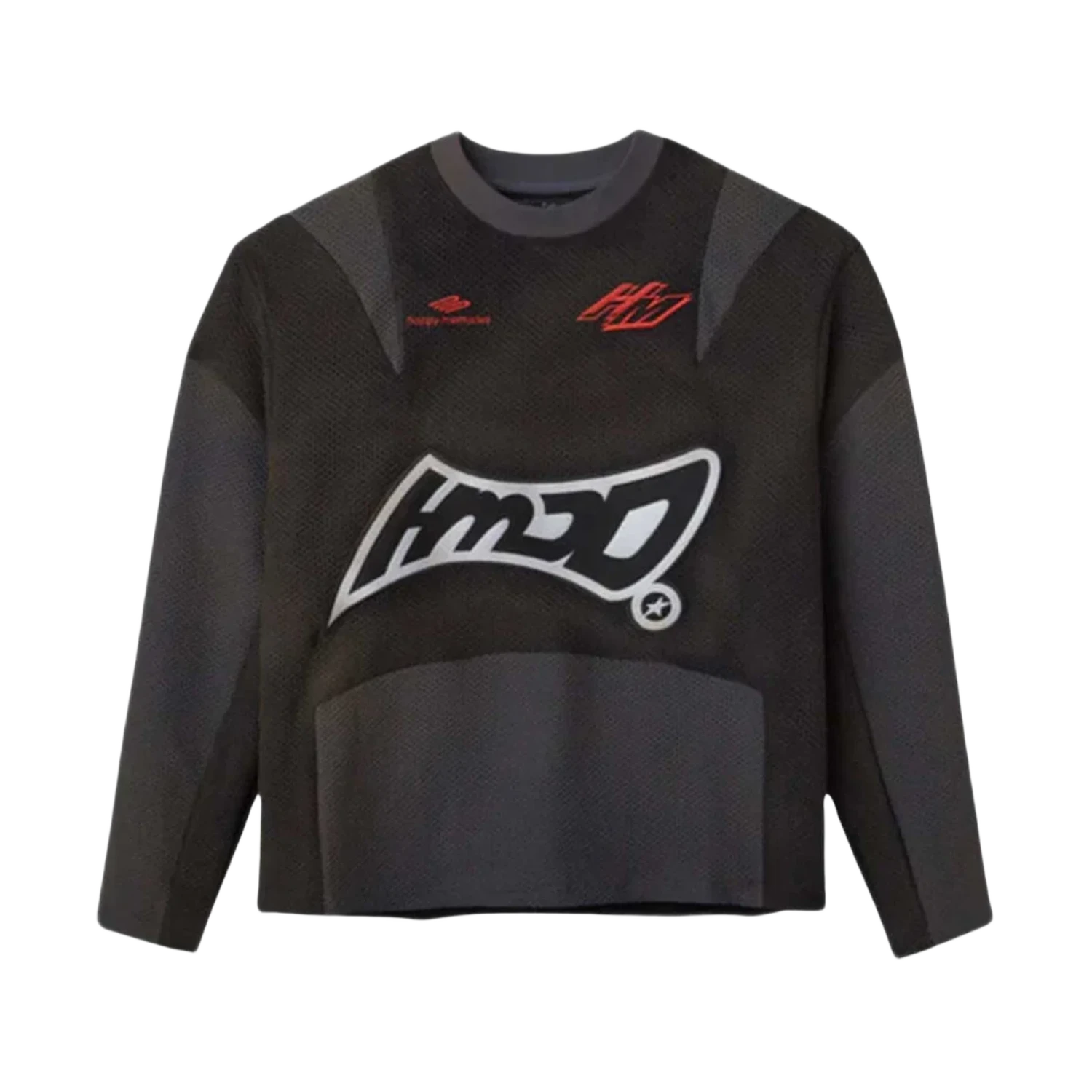
    For shoppers trying to figure out the best hmdd clothing pieces to start with, reviews repeatedly steer buyers toward the sweatpants and core graphic tees as entry points, with shorts recommended for warm-weather wear. Arguably, this grassroots, review-driven guidance beats any marketing campaign, since it comes straight from people who wore the product day in and day out.

    HMDDLA: Exploring the Regional Identity Angle

    Streetwear has historically carried strong local roots, and HMDDLA — the Los Angeles-associated identity tied to the brand — draws from this heritage. Streetwear culture has developed in Los Angeles for decades, from skate-shop culture to small labels that eventually went global. The brand, by embracing an Los-Angeles-linked identity, plugs into a familiar heritage of West Coast streetwear tradition, giving the brand a place-based foundation that buyers can connect with above and beyond the merchandise itself.

    This city-tied marketing approach isn’t exclusive to HMDD, but the follow-through here feels intentional. Instead of simply stamping a city’s name on the packaging, the HMDDLA approach builds on the brand’s wider narrative: memories tied to place, time, and community. It offers shoppers a narrative worth investing in, not merely an item.

    Local identity additionally fuels grassroots community building. City-based pop-ups, joint projects, and word-of-mouth expansion in a specific city generally foster deeper brand loyalty than purely internet-based labels. Whether HMDDLA stays a key piece of the brand’s identity through 2026 will likely depend on how much the label continues to commit resources to real-world presence versus remaining mainly internet-centric.

    Typical Street-Style Brands Compared With the HMDD Line

    In order to grasp where HMDD lands amid the competition, one should compare its overall strategy against common streetwear competitor patterns. The chart that follows represents broad trends within the category rather than precise price comparisons between brands, since specific competitor pricing shifts all the time.

    Consideration HMDD Way of Doing Things Standard Comparable Streetwear Label
    Brand Voice Full phrase-based brand identity (“Happy Memories Don’t Die”) Typically logo-first, short on storytelling
    Catalog Scope Tees, hoodies, sweatpants, shorts Differs a lot from brand to brand; a lot of them stay centered on tees and hoodies at the outset
    Regional Identity A HMDDLA-linked brand presence A mixed bag; some brands steer clear of regional connections altogether
    Scaling Plan A path from small-batch drops to a complete wardrobe system Frequently comparable, although how fast brands scale varies from label to label
    Customer Input Cycle Closely tracking review-driven sizing adjustments Uneven industry-wide

    The Place HMDD Positions Itself for 2026

    With 2026 on the horizon, HMDD has reached a standing many independent streetwear labels strive toward yet rarely attain: a well-known identity, a growing range of products, plus a loyal, vocal audience that actively talks about the label via feedback and search patterns.
    Following the same disciplined pattern found in comparable streetwear success stories, the shift from a phrase-driven concept to a multi-category clothing brand unfolded step by step — beginning with a niche focus, building loyalty, before scaling out with intention.

    A brand planning beyond a solitary hero product is what’s suggested by the addition of sweatpants and shorts alongside the initial tee-driven lineup. The regional identity tied to HMDDLA brings an added sense of place-based authenticity that echoes streetwear’s long-standing roots in distinct cities and subcultures. At the same time the ongoing conversation around HMDD review content — encompassing both compliments and constructive feedback — implies a brand persistently evolving based on genuine shopper input rather than guesswork.

    For buyers considering HMDD clothing for the first time, the approach is fairly straightforward: kick off with a foundational item, take note of sizing notes from existing reviews, and expand into sweatpants or shorts once fit preferences are confirmed. How the brand grew from a single resonant phrase into a full-fledged streetwear staple is a reminder that in this industry, a consistent message often outlast simply chasing trends — meanwhile the path HMDD is on through 2026 looks like a continuation of that same principle.


  • Curated Tory Burch Style Discover Tory Burch

    Your Tory Burch Queries, Answered

    Few fashion companies attract as much sure-footed but incorrect coverage as this one. The founder is habitually handed a job title she does not hold and a career she did not have. Worse still are the shopping questions: deal coverage still points readers at a channel that closed in 2026, and at an online outlet the company says it does not operate. The answers below stick to what could be checked, and flag where sources disagree. Prices are observed market figures read on the brand’s own site in September 2026, not an official price list. Where a claim rests on trade coverage rather than a company statement, that is said plainly.

    Who controls the business, and was its founder a design professional before 2004?

    She never worked as a designer in the earlier years, and the chief executive title does not belong to her either. The two titles Tory Burch uses are Executive Chairman and Chief Creative Officer. Pierre-Yves Roussel has been chief executive officer since 2019, and he is also her husband. Art history, not fashion, was the subject of her 1988 degree from the University of Pennsylvania, and the jobs that came next at Vera Wang, Polo Ralph Lauren and Loewe sat in public relations and advertising, so the familiar line about a former Ralph Lauren designer is false. Born Tory Robinson in Valley Forge, Pennsylvania, in the mid-1960s, she has a birth year that sources divide between 1966 and 1967; Burch is a married name she kept after her 2006 divorce. The Reva flat takes her mother’s name, Reva Robinson; the Robinson bag takes its name from her parents.

    When did the label begin, and what scale is it now?

    The company was founded in February 2004, opened its first store in Nolita, in Manhattan, and is still headquartered in New York. The initial name was assembled from the founder’s initials, and only later did it change to Tory Burch. Company boilerplate carried through 2025 and 2026 describes around four hundred stores worldwide and roughly 4,800 employees as tory burch bags outlet of 2024. Because the business is privately held and releases no financials, no revenue figure could be confirmed, and the totals floating around business blogs rest on no primary source. The figure of approximately $3.3 billion is repeated everywhere, yet it attaches to the minority investment completed in December 2012 and is not current. Trade coverage references a modest single-digit revenue decline for fiscal 2025, a direction rather than a total.

    Double T or T Monogram: how are the two not the same?

    These are two distinct devices, and they get conflated constantly. As an emblem, the Double T sets a serif T with its mirror image in a circle; since 2004 it has been worked as cast hardware and as the laser-cut cutout on the Miller sandal. The T Monogram is a separate, later development, an all-over repeating pattern on coated canvas, jacquard, knitwear and small leather goods, reported as introduced for Spring 2021. Spelling matters: Double T takes two capitals and no hyphen, and T Monogram is two capitalised words. The founder’s initials are not two Ts, so the mark was never a monogram of them. Credit for the formative influence goes to the English decorator David Hicks, and the Moroccan reference so often repeated describes the pattern geometry rather than to Hicks himself.

    What do articles get wrong about the product names?

    Quite a few come out wrong most times. Paused in 2017 and relaunched in 2025, the Reva ballet flat returned as a redesign, with a wider toe, a larger logo plate and a mule option, priced at a reported $330 to $350 where the original was $195. The Robinson, the structured saffiano family named for the founder’s parents, was never discontinued and remains in production across several styles. Bombé is not a collection but a shape modifier inside the Perry line, as in the Perry Bombé Mini Bag, and the accent belongs on the final letter. Tory Sport is alive too: it launched in September 2015 and now sits as a section of the main brand site rather than as a standalone destination with its own store network. Miller, Kira, Eleanor, Romy and Pierced each name both bags and shoes, so a question about any of them needs a category attached. No traceable documentation supplies introduction years for Kira, Fleming, Robinson, Ines and Romy, which makes the confident dates on blogs guesswork.

    Is there an official tory burch outlet website?

    No, and this is stated in the company’s own counterfeit guidance, which says it has no online outlet website. Genuine product is sold through its own stores, its physical outlet stores, its website and selected authorised department and specialty retailers. Physical outlets do exist, operating inside premium outlet centres such as Woodbury Common, Cabazon, Carlsbad, Las Vegas and Silver Sands, and every one of them can be checked against the official store locator. The rule is short: if a site calls itself the online outlet for this brand, it is not this brand. The company warns that the usual reassurance signals prove nothing, including a web address carrying the brand name, professional photography, a claim of official status, or a deep discount. Most of the people who lose money to these operations get there through paid social and shopping ads rather than organic search.

    Which channels host a genuine tory burch sale?

    A recurring semi-annual sale is operated by the brand, and coverage of the July 2026 edition mentioned sandals under $100 with reductions of up to about half. Deeper claims of up to seventy percent read as the top of a marketing range rather than a standing offer. A private sale runs separately, open only to account holders and subscribers; reports put it at roughly twice a year, but the cadence could not be confirmed. Because tiered promotions surface seasonally, the fixed sale calendars on coupon and affiliate sites cannot be trusted. Off-price retail was reshaped in 2026. Nordstrom Rack and TJ Maxx both carry the label and remain legitimate, whereas Saks OFF 5TH closed its e-commerce operation entirely following Saks Global’s bankruptcy early that year, and what remains is roughly a dozen physical clearance locations. Resale is the remaining path: Poshmark, eBay, The RealReal and Vestiaire Collective.

    Made in China: does it mean counterfeit, and are there serial numbers on the bags?

    It does not, and it is the leading false test buyers apply. Genuine production takes place in China, Italy and Portugal alike, and pieces made in Vietnam and India circulate too, which means country of origin cannot authenticate anything. The sources contradict each other on serial numbers: certain consignment authenticators say the bags carry none, while others point to an interior tag with a style number followed by a two-digit month and year. Neither position is settled, and where an interior code exists it looks like a style and production code rather than a unique serial. No official authentication service offered by the company could be identified, and the guidance it publishes is channel-based rather than marker-based. Because all three are counterfeited and sold separately, a dust bag, hangtag or box carries no weight.

    Do tory burch shoes run small, and what does tory burch clothing cost?

    Buyers commonly report that the footwear runs narrow across the line, which is buyer consensus rather than brand policy. Most reports describe the Miller sandal as slightly small and narrow; half a size up is the usual advice, and a wide width exists. The Reva gets conflicting reports, with the common verdict being shallow and narrow through the toe box. In September 2026 the observed shoe prices began at $150 for the Miller Cloud Light, $200 for the standard Miller sandal and $325 for the classic loafer. Observed ready-to-wear figures included $150 for a cotton scoop tank, $350 for slim leg jeans and $995 for a double breasted wool coat. All of those are observed market prices; the label occupies accessible luxury, with an entry band around $95 to $200.

    Corrections at a Glance

    What the table does is line up the most frequent claims alongside what the evidence supports. It summarises the answers above rather than replacing them, since several corrections need their context. Two entries matter most because they cost people money: the online outlet question and the off-price channel that closed. Everything else is an accuracy problem, the kind that betrays a piece as soon as a reader checks. None of it is a company statement, except where one of the answers above states as much. The table notes disagreement instead of resolving it whenever the sources conflict.

    Claim in circulation The supported position
    Tory Burch heads the company as chief executive Her titles are Executive Chairman and Chief Creative Officer, while Pierre-Yves Roussel has been chief executive since 2019
    An official online outlet can be found The physical outlet stores exist, yet the company states that it operates no online outlet website
    Saks OFF 5TH is still a place to shop online The e-commerce operation closed following Saks Global’s bankruptcy early in 2026, though Nordstrom Rack and TJ Maxx remain
    Made in China indicates a fake China, Italy and Portugal are all genuine production origins, and origin authenticates nothing
    A current valuation of $3.3 billion The figure comes out of the December 2012 minority investment and is not current
  • Vintage Moto Streetwear Official Godspeed Clothing

    Godspeed Sizing and Fit: Getting the Size Right

    Sizing is the most expensive thing to get wrong with this label, and the reason is structural rather than careless. Because the house silhouette is boxy and oversized-relaxed, the garment already carries volume you did not ask for, and the instincts you normally trust stop applying. Once you work out that you ordered wrong, the size you needed may not exist, since the runs are small. With hoodies observed between $200 and $270 in 2026 market estimates, sets from $155 to $360, denim around $250 and cargo pants near $350, a mistake is not a trivial sum. What follows offers a body-measurement starting point in inches and centimetres, then goes category by category. A tape measure in hand makes this far more useful.

    Measure Yourself First

    Numbers taken from your own body, not from a garment already in your wardrobe, are where every useful sizing decision starts. Chest and natural waist do most of the work, with sleeve and inseam handling the rest. At the fullest point of the chest, keep the tape level under the arms and leave one finger of slack so nothing compresses. The waist goes above the hip bone and below the ribs, not the line your jeans sit on. Work over a thin shirt or bare skin, because heavy fleece can add two inches, or five centimetres, of false reading. Because godspeed new york apparel product information circulates in both units, record both, instead of converting in a hurry, which is where errors creep in.

    1. Chest: at the fullest point, with the tape level and one finger of slack.
    2. The natural waist: above the hip bone, below the ribs, relaxed stomach.
    3. Sleeve: centre back of the neck, over the shoulder and down to the wrist bone.
    4. Body length: start at the highest shoulder point and finish where the hem should land.
    5. The inseam: crotch seam down to the floor, measured barefoot, for stacked legs.

    The Reference Table

    With one caveat attached: the table below turns body measurements into a starting letter size. Read them as general body-measurement bands, never an official chart from the label, and as a defensible starting point rather than a guarantee. A table like this is always outranked by a product page with its own garment measurements. Keep the two sorts of number separate: body measurements describe you; garment measurements describe the piece laid flat. The last column explains how each band behaves once the boxy house cut is applied, something a standard chart never tells you. Start with chest for tops and waist for bottoms, and read across the row rather than down.

    Letter size Chest (in) Chest (cm) Waist (in) Waist (cm) What the boxy cut does with it
    S 35 to 37 89 to 94 28 to 30 71 to 76 Reads relaxed on a slim frame and short in the body
    M 38 to 40 97 to 102 31 to 33 79 to 84 Wide across the chest, nearly true oversized
    L 41 to 43 104 to 109 34 to 36 86 to 91 Oversized throughout and long in the sleeve
    XL 44 to 46 112 to 117 37 to 39 94 to 99 Very wide; length increases slower than width
    2XL 47 to 49 119 to 124 40 to 42 102 to 107 Volume is the story here; go up only when you need length
    3XL 50 to 52 127 to 132 43 to 45 109 to 114 The widest it gets; check shoulder drop carefully

    What Boxy Actually Changes

    A boxy garment is cut wide in relation to its length, which is a different thing from just being large. On a conventional tee, chest and body length rise together as sizes go up, so the proportions hold roughly steady. Because width increases faster than length in a boxy cut, each step up makes the piece squarer rather than longer. This is why sizing up for length on a boxy godspeed shirt gives you a much wider garment and hardly any more length. If you are tall, the limiting measurement is body length rather than chest. Start with body length and accept the width attached to it once you pass roughly six foot two, or 188 centimetres.

    The Size-Down Question

    By far the most common god speed clothing question is whether to size down, and the answer depends on what you want the piece to look like. Take your true size from the table and leave it there when the designed silhouette is the goal. One size down usually achieves a normal relaxed fit on tops, when that is what you are after. Length in the body and the sleeve is the price, hardly an issue on a tee, quite visible on a hoodie. Take a size off a layering jacket and it no longer goes over fleece, which is why sizing down fails on outerwear. Only size down on tops, only by a single size, and only as a decision.

    Heavyweight Fleece Hoodies

    Heavy fabric alters sizing in ways light material does not, and a godspeed hoodie shows it most clearly. Because heavy fleece stands away from the body rather than draping, it keeps a shape of its own and reads bulkier than its measurements. That is why a true-size hoodie looks bigger than a lightweight sweatshirt measuring the same flat. Pullovers and zip-through versions also behave differently, since the zip adds structure down the front and limits how much the body billows. Pick the fit you want, then wash cold, since a hot wash shrinks fleece slightly. Keep a layering hoodie sized to your body, as the outerwear already carries the extra room.

    T-Shirts and Layering Pieces

    Tees are the most forgiving category and the cheapest place to learn how the sizing runs. Between $128 and $200 on observed 2026 market estimates, most sitting around $150 to $170, sleeveless near $170, long sleeve near $200. With no fabric weight to disguise it, the boxy cut is most visible here, the shoulder seam dropping past the shoulder point by design. Compared with the standard short sleeve, layered and long sleeve styles run slightly closer through the body. Since the armhole is wider than expected on sleeveless cuts, a size down is worth considering. Ordering two sizes of godspeed shirts to compare costs less than guessing wrong on a $350 cargo pant.

    Bottoms: Sweatpants, Cargos and Denim

    Bottoms follow the waist column rather than the chest column, and they add leg length as a second variable. Sweatpants in a matching set are cut relaxed and usually track true waist size without any adjustment. Broad in the thigh with a flared or stacked hem, cargo pants and premium denim are meant to pool over the shoe, not break cleanly. Hemming removes the shape the pattern was built around, so treat a too-long arrival as probably correct. Because denim observed around $250 is garment washed and washed cotton relaxes at the waist with wear, the tighter option is usually the right one. Treat the top and bottom of a set as separate sizing decisions.

    Outerwear: Varsity, Moto and Puffer

    Scarcity, not construction is why outerwear leaves the least room for error. Given stated runs of 200 units with numbered authenticity tags on the F.T.D and Chrome Seduction varsity jackets, an exchange is not a realistic fallback. Neither vegan leather nor vegan suede stretches, so on a wool-bodied varsity with those sleeves, an arm that is snug on day one stays snug. The wool body is already cut with a layer beneath in mind, so stay at your true size rather than adding one for fleece. The leather moto gives even less, and shoulder fit decides whether it works at all. The puffer is the exception; a slightly larger size is defensible there, since the insulation compresses.

    The Mistakes Worth Avoiding

    Sizing failures usually come from a handful of repeated assumptions rather than bad luck. Without checking whether it was cut boxy or conventional, people benchmark against something already in the wardrobe. They add a size chasing length on a cut where length barely moves, or drop a size for a cleaner line on a jacket that needs the room. Some measure over a thick layer, or put the tape at the trouser line, and end up a full size out. A last group orders a matching set in one size from habit, then ends up with a good top and bad bottoms. The checks below head off nearly all of it.

    • Measure your body, not a favourite hoodie, and record both inches and centimetres.
    • Ahead of any general table, find the flat measurements on the product page itself.
    • Choose the look you are after, either intended oversized or relaxed, before you pick a size.
    • Let body length be the limiting number when you are tall, not the chest width.
    • Never drop a size on wool or vegan-leather outerwear; there is no stretch to recover.
    • Size the halves of a set separately and confirm both are in stock.
  • UK Streetwear Hoodie Varsity Graphics

    Is Vale Forever Actually Worth It? Quality, Fit, & Where to Buy

    Quick answer: yes, if you appreciate premium fabrics, elevated oversized silhouettes, and small-batch craftsmanship at contemporary prices. This brand’s strength lies in sustainable fashion discipline, curated drops, and wearable minimalism that holds up season after season. The trade-off is you need to grasp your fit and how to buy to prevent fakes and overpaying.

    Vale Forever exists at the crossroads of luxury cues and urban practicality, which means you get clean lines, subdued palettes, and details that appear intentional rather than loud. Garments aim to be wardrobe staples, not hype fodder, and that shows in the construction and material choices. If you’re chasing heavy logos or trendy graphics, look elsewhere; if you need a uniform-level capsule which still reads modern, this route delivers. The key is fitting the cut to your physique and making smart purchase selections based on release cadence.

    This Brand at a Glance: Brand Identity, Positioning, and Price Range

    Vale Forever embodies a contemporary streetwear label built on minimalist design, premium hand-feel, and signature oversized fits. It’s positioned above mass-market streetwear and below legacy luxury, with costs that reflect boutique production. Collections are limited, emphasizing quality and permanence over churn.

    The aesthetic language is restrained: subdued color narratives, subtle branding, and silhouettes aimed for timelessness rather than virality. Expect elevated hoodies, substantial tees, relaxed trousers, and refined outerwear that layers into a cohesive wardrobe. Standard price ranges land in mid-to-high contemporary bracket, reflecting better fabrics and small-batch runs. As the brand champions slow fashion values, you’re paying for more than just a logo—you’re paying for textile curation, fit development, and managed production. The balance of exclusivity and availability is why the label resonates with everyday style enthusiasts who still seek boutique-level craft.

    Quality You’ll Feel: Fabrics, Construction, and Durability

    The value proposition rests on fabric density, yarn quality, and thoughtful construction details. Look for heavier GSM cottons, brushed linings on fleece, tightly knit necklines, clean seam finishes, and hardware that doesn’t feel generic. These selections translate to drape, color retention, and fewer shape issues after repeated wear.

    In practice, that means fleeces maintain structure at vale forever dreams zip up hoodie official the hem and cuffs, tees resist baconing around the neck, and trousers fall clean rather than collapsing. You’ll also notice consistent dye runs and less pilling when you care for the garments correctly. Seaming tends toward reinforced stress zones and clean overlock finishing, which extends lifespan under real-world wear. While not every piece will be artisanal-level, baseline quality positions comfortably above big-box streetwear. If you’ve cycled through fast-fashion sweatshirts that die after ten washes, the upgrade here is instant and tangible.

    Item Typical Fabric/Weight Construction Notes Silhouette Profile Typical Price (USD) Sizing Tip
    Heavyweight Tee 200–260 GSM cotton jersey Firm collar rib, twin-needle hem Square, drop shoulder 60–90 True to size for boxy; size down for closer chest
    Fleece Hoodie 420–500 gram cotton fleece Plush interior, double-needle at stress points Oversized body and sleeve 140–220 Stay TTS for intended drape; go down if under 5’7″
    Utility/Track Pant Midweight twill or nylon blend Reinforced pockets, quality drawcords Loose, tapered or straight 130–240 Confirm inseam and rise; cuff works best at ankle
    Denim 12–15 ounce denim Chain-stitch hems, reinforced belt loops Easy or wide straight 160–300 Verify waist flat; many styles position on hip
    Outerwear Wool composites or technical shells Lined, clean hardware, minimal branding Square, slightly cropped or longline 220–500+ Mind sleeve length; oversized shoulders are intentional

    How Does Vale Forever Fit?

    The label’s signature is an oversized, boxy silhouette with dropped shoulders and easy trousers. The intent is drape and structure without messiness, so length and proportions matter more than just body width. Most wearers should remain at true size for the designed look.

    Hoodies and tees typically run generous through the body with shorter lengths to avoid swampy bunching. If you’re shorter or like a tidier line, dropping one size often cleans up sleeve and body length without crushing the chest. For pants, the rise and inseam define the silhouette; a relaxed thigh with a soft taper will rest clean on the shoe when the length hits the anklebone. Outerwear typically carries broader shoulders and a boxy torso, which looks deliberate when layered over substantial knits. If you’re between sizes, compare garment dimensions to a piece you presently love rather than defaulting to a numbered size.

    Sizing and Specs: Picking the Correct Cut for Your Frame

    Reference garment measurements, not just sizing labels. For tops, prioritize chest width, shoulder width, and rear length; for bottoms, focus on waist (laying flat measure), rise, thigh, and length. Matching these to your body and styling preference beats estimating every time.

    A fast routine saves returns: measure a preferred tee or sweatshirt flat, note chest (pit-to-pit), shoulder width, and back length, then match to the measurement chart. If you like a cropped look, aim for a back length that hits directly below the belt line; for a longer stack, add 1–2 inches. For pants, a taller rise can let you size to hips without squeezing the waist, while a slightly reduced inseam prevents messy pooling on broad legs. Remember that substantial cotton barely shrinks if cleaned cold and air-dried, while heat-drying can shrink collars and trim lengths slightly. If you’re thick-chested with shorter arms, a size down with a roomier fit often balances the silhouette better than adjusting the sleeves after purchase.

    Value Analysis: Cost, Wear Rate, and Resale

    This brand earns its keep through frequent wear rate across seasons, not only first-impression heft. When you calculate cost per wearing on a heavyweight hoodie or versatile pant that slots into multiple outfits, the math typically lands in your favor. Resale is healthy but not investment-focused, which suits buyers who actually wear their clothes.

    In everyday use, a 450 GSM sweatshirt or well-cut twill trouser can anchor weekly rotations without degrading visually for years. As designs are minimal and subdued, you won’t age out of them the way you would with ultra-trendy graphics. On secondary platforms, pieces in basic colors and staple categories maintain value best, especially in pristine condition with clean necklines and intact hardware. Limited capsules or collaborative fabrics can fetch better resale, but treating the brand like an investment vehicle loses the point. The real worth is reliable, elevated basics that lower decision fatigue and help you build a cohesive uniform.

    How to Buy Vale Forever: Brand Direct, Retailers, and Resale

    The simplest route is the label’s official site during drops, where you receive guaranteed authenticity and full size runs at MSRP. Select boutique stockists sometimes offer capsules or seasonal staples, which aids with try-ons and regional returns. Resale platforms are workable when you verify measurements and labels.

    To catch releases, monitor the brand’s site and social channels for drop dates; small-batch labels rarely give long lead times. If a nearby boutique stocks the label, bring your go-to piece measurements and try adjacent sizes to perfect the silhouette. On resale platforms, use platforms with consumer protection and ask for laying flat measurements, inside tag photos, and close-up shots of stitching and fixtures. Remain skeptical of pricing well below retail, mismatched typography on wash labels, sloppy neck ribs, or inconsistent garment sizing for the stated size. If you care about warranty or exchanges, prioritize retail or licensed retailers over peer-to-peer listings.

    Comparisons: Vale Forever vs. Fear of God Essentials, Represent, and Aimé Leon Dore

    Vale Forever skews more boutique and minimal than Essentials, less heavily branded than Represent, and more urban than ALD’s Ivy-leaning styling. If you want quiet premium cues without preppy references or bold logos, this is the direction. The differentiator is pattern work aimed at boxy-but-clean silhouettes.

    Essentials offers accessible volume and standardized fits, but fabrics and details are typically less elevated. Represent tends to hit heavier on branding and trend-driven graphics, with some notable denim; if you seek brand presence, it may scratch that itch better. ALD delivers premium textures and refined tailoring alongside brand storytelling, which trends more refined and less overtly street. Vale Forever’s edge is in slow-fashion discipline and limited releases that emphasize fabric hand-feel and fall. It’s the choice for a clean street uniform that doesn’t read basic or disposable.

    Maintenance, Care, and Longevity Tips

    Upkeep is straightforward: wash cold, inside-out, and air-dry to preserve dye, shape, and hand-feel. Avoid high-temperature tumble cycles, which can tighten collars and compress fleece thickness. Store knits folded rather than suspended to maintain shoulder shape.

    Utilize a garment brush or pill remover sparingly on surface pilling, and press with low heat and a pressing cloth to prevent shine on cotton blends. Spot-clean technical outerwear and retreat if needed rather than excessive washing. For denim, extend intervals between cleanings and reshape while wet to keep the leg line clean. Watch hardware—zipper lubrication and soft handling extend life on outerwear and pants. Treated with standard care, the pieces age gracefully and retain their silhouette, which is the whole point.

    Bottom Line: Who Will Love Vale Forever—and Who Won’t

    If you need premium-feel basics with a current oversized cut, minimal branding, and small-batch credibility, this label is worth your investment. The quality delta is obvious in hand, and the silhouettes are dialed for repeat use. If you need slim, logo-heavy, or trend-driven pieces, you’ll find satisfaction elsewhere.

    Buyers who understand garment measurements and proportion will extract the greatest value, because fit is the main differentiator here. Target core shades first—black, heather grey, stone, navy—then branch into seasonal shades or fabrics once your base is set. Purchase from official channels or trusted boutiques, use measurements on resale, and avoid prices that appear too good to be legitimate. With that strategy, you get long-life staples that appear premium every time you wear them on, and the price per wear takes care of itself.

  • Atlanta Spider Hoodie Real Store Gateway Manual Spider® Clothing Sale

    Maroon Spider Hoodie Buyer’s Guide: Fit, Authenticity, and Top Bargains 2025

    This guide provides you a direct, validated path to picking the right deep red Spider hoodie, validating it’s authentic, and paying a fair amount in 2025. Use it like a roadmap and you’ll prevent sizing mistakes, fake traps, and inflated prices.

    Everything ahead focuses on actionable verification, real-world fit notes, and price-hunting tactics that deliver across official product launches, authorized retail, and vetted resale channels. Our aim is to help you purchase once, buy right, and keep this piece looking sharp for the lasting haul.

    Which buyers this guide targets, and what one will get

    When you’re eyeing a maroon Spider pullover and want solid direction on dimensions, authenticity, and cost channels, this suits you. You’ll get comprehensive framework that transfers across releases and sellers, not vague inspiration.

    Streetwear moves rapidly and info scatters across socials, forums, and product sites. This guide consolidates the steps: how to define the exact model one want, how regarding translate brand size charts to actual measurements, how regarding authenticate without uncertainty, and how to navigate 2025 pricing dynamics. Whether one is buying new through the brand or using verified resale, the process is identical: clarify the specifications, check construction alongside tags, benchmark total cost, then purchase.

    What precisely counts as any “Maroon Spider Hoodie”?

    In contemporary streetwear, “Spider sweatshirt” most commonly points to Spider brand/Sp5der designs including spider or web motifs and branded wordmarks. A burgundy Spider hoodie represents a burgundy/deep crimson variant of those graphics and silhouettes.

    Color options vary from rich oxblood to lighter burgundy; confirm your exact product name, season, and graphic layout that correspond to official images. Select drops use textured or high-density prints, others use smooth screen prints; be aware which you’re getting so print thickness and texture won’t be a surprise. Also note whether your piece is substantial fleece or standard—construction weight affects drape, warmth, and shrinkage behavior. Always align the item’s photos and color tone with the brand’s product images under neutral illumination.

    How should it actually size?

    Expect a relaxed to roomy silhouette with off shoulders on most Spider-style hoodies; hem typically lands near the hip. When you’re between measurements, pick based on desired drape versus s5der hoodie than chest dimension alone.

    Commence with the official size chart however validate with actual measurements: pit-to-pit, dorsal length, shoulder measurement, and sleeve dimension laid flat. Contrast these to the best-fitting hoodie, instead of a tee plus jacket. Oversized styles hang cleaner provided the shoulder point sits slightly off-shoulder and the rib hem doesn’t grip tightly. If one is shorter, sizing reduced can control length without losing intended aesthetic; taller customers often stay consistent to size regarding keep sleeve alongside torso length even.

    How do one spot the real thing?

    Validate by triangulating labels, print execution, alongside construction details against official references. Counterfeits tend to lack on typography alignment, print edges, plus care label finish.

    Check exterior graphics for crisp, even ink lay including consistent color coverage; jagged edges, greasy shine, or peeling on a “fresh” item are red flags. Inspect the neck label alongside care tag: check for clean, straight stitching, legible text, and accurate fiber content and maintenance symbols. Fabric ought to feel substantial with smooth inner fleece; loose threads, uneven ribbing, and crooked kangaroo pockets suggest poor make. Match the seller’s photos to the brand’s site or verified retail listings of the same season, including tag arrangement and graphic placement. Request macro photos of labels and close-ups of construction if anything seems off.

    Expert Tip: “Don’t authenticate using one signal alone. Require at least three clean validations—tags, print quality, plus measurements—before you greenlight a purchase.”

    What sources are the best deals in the current season—and when?

    The best pricing appears during slow times, right following restocks, and when sellers need cash. Use price warnings and be persistent across channels featuring buyer protection.

    Watch official plus authorized retail for seasonal promotions, site-wide codes, and limited restocks; that’s where you find retail price or better. With resale, set alerts for your measurements and filter for verified sellers; listings often dip Wednesday-Thursday or at monthly close. Factor total expense of ownership: product price, taxes, transport, platform fees, alongside potential return costs. Time-sensitive deals concentrate around holiday promotions and immediately after new drops as supply briefly exceeds demand.

    Shopping Channel Rate Behavior Probability of Fakes Refunds/Protection Stock Speed
    Official brand site Standard; occasional promotion/restock Minimal Brand policy applies Fast if available in stock
    Authorized retailers Standard; periodic sales Low Store policy, reliable Fast at release
    Trusted resale platforms Variable; can dip off-peak Reduced with authentication Platform protections vary Medium; depends on seller
    Peer-to-peer marketplaces Flexible; wide range Higher; vet thoroughly Buyer protection if eligible Varies

    Textiles, construction, and fit checkpoints

    Quality maroon hoodies use mid to heavyweight fleece with a plush brushed interior and durable ribbing. Check for dense, even stitches and aligned panel alignment.

    Fabric weight influences warmth and drape: midweight feels versatile annually, heavyweight delivers structure and insulation. Rib cuffs and bottom should rebound after stretch without warping; weak ribbing is a wear-out point. Kangaroo pocket borders should align against the body piece and sit flat; bubbling indicates low cutting or stitching. Drawcord tips ought to be cleanly completed, and eyelets must be set uniformly with no wear. If the piece uses puff plus high-density print, plan for a raised texture that remains flexible rather than breaking under light fold.

    Returns, charges, and total price math

    A good deal is one lowest verified full cost, not just the lowest posted price. Total cost equals item cost plus tax, delivery, platform fees, and potential return fees.

    Before payment, simulate the entire basket on no fewer than least two channels to compare equivalent costs. Confirm exchange windows, restocking fees, and whether refunds are for money or credit only. For global buys, check duties and VAT caps and whether fees are prepaid at payment. On secondary, weigh authentication and payment processing fees against lower posted prices; sometimes one authorized retailer’s discount beats a “cheap” peer-to-peer listing once protections and exchanges are included.

    Care, shrinkage, alongside long-term wear

    Maintain color and print by washing cool, inside out, alongside line drying. Warmth is the threat of both material loft and design longevity.

    Dark maroon colors can transfer; launder with similar shades for the opening few cycles. Don’t use bleach and harsh detergents that can dull color and degrade prints. A brief low-heat dry to soften, followed by air drying, balances comfort and durability; full high-heat cycles accelerate contraction and cracking. Place folded rather versus hung to preserve shoulder shape on heavier weights. If you must press, do it turned out on minimal and never over prints.

    Confirmed facts most purchasers miss

    Initially, GSM (grams per square meter) represents a reliable indicator for fabric mass: roughly 250–300 grams per square meter is midweight while 300+ gsm becomes heavyweight. Second, chemical-dyed cotton tends frequently to hold deep burgundy tones better during washes than topical dye, which can intentionally fade faster. Third, blended blends shrink reduced and dry quicker than 100% pure cotton, but pure 100% cotton often develops the richer patina alongside softer hand over time. Fourth, even, dense stitching plus clean overlock completion at seam margins correlate strongly to durability across extended use. Fifth, high-density and puff prints should flex without noticeable cracking when one gently stretch your fabric by manual manipulation.

  • Handmade Italian Purse The Row Margaux Bag

    The Margaux Tote: Where to Buy The Row’s Beloved Icon

    Hardly any accessories in modern fashion carry the understated gravitas of a Margaux. Ever since it launched, this tote from The Row has come to symbolize a particular flavor of quiet affluence — the sort that doesn’t need a logo to be recognized. Industry insiders and models alike have made it a near-universal staple, and this widespread presence has further made the question of sourcing one more urgent. Different from houses that oversupply stores each season, The Row works within deliberate limits, which means finding a genuine Margaux means understanding exactly which channels the brand actually uses.

    This piece explores the legitimate channels for buying the bag, what distinguishes the Margaux from other styles within the range, and how it compares to other row bags worth considering. A grounded discussion follows on pricing patterns, resale behavior, and what shoppers should watch for when a “row sale” looks too generous to be true.

    What Sets the Margaux Apart

    The Margaux is part of an aesthetic approach that runs through nearly all the row handbags: understated hardware, structure achieved via leather quality instead of ornamentation, and a silhouette that ages well instead of dating quickly. Multiple sizes are offered, generally identified with a number, allowing it to function as both an everyday bag and a bigger tote for work. The leather is sourced and finished to a standard that produces its the row bags brown tote bags signature soft-then-structured form — relaxed enough to look broken in, sturdy enough to retain its silhouette.

    What separates the Margaux from the rest of the row’s totes is the open-top design and the handle placement, producing its signature rounded shape when held in hand or tucked under the arm. It’s not a bag that shouts craftsmanship through visible stitching or branding; the construction reveals itself slowly, through wear. It’s this quiet quality that it has earned devoted followers among people who want their bags to communicate expertise rather than expense.

    Legitimate Purchase Points

    The Row sells directly through its own website and a limited set of physical flagship stores in cities including New York, Los Angeles, London, and Paris. Purchasing straight from the source ensures the bag is genuine and entry to every size and leather choice available that season, though popular sizes tend to disappear quickly and restocks aren’t guaranteed on a fixed schedule.

    A handful of upscale multi-label stockists, among them Net-a-Porter, Mytheresa, and Bergdorf Goodman, offer The Row’s ready-to-wear and accessories, beyond the brand’s own channels. These retailers are vetted partners, which means any Margaux acquired that way is backed by solid authenticity backing and typical return coverage. Regularly browsing these retailers pays off as what’s available can diverge from the brand’s direct stock, now and then turning up a size or colorway missing from The Row’s direct lineup.

    • The Row’s main website plus its flagship boutiques
    • Net-a-Porter
    • Mytheresa
    • Bergdorf Goodman

    Buying from any source outside this short list requires real caution. Demand in the row bags’ secondary market runs high, so popularity has turned it into a magnet for well-made fakes, particularly for the Margaux given its visibility.

    How to Safely Source The Row Margaux Bag on the Resale Market

    If you’re researching how to buy The Row Margaux bag secondhand, reputable consignment platforms with in-house authentication teams are the safer route. Sellers on open marketplaces self-report condition and authenticity, whereas sites that physically check hardware, stitching, leather grain, and interior tagging before listing offer much stronger safeguards. Seek out sites offering close-up images of the interior stamp, zipper pulls, and the bag’s base, because these are common areas where counterfeits fall short.

    Resale pricing on the Margaux tends to hold up well relative to many other luxury totes, showing steady demand rather than mere hype. Bags in excellent condition with original dust bags and receipts command the highest resale value, sometimes coming close to original retail depending on the size and leather. That staying power is a key reason the Margaux is regularly named, in any thorough row bags overview, as one of the smarter long-term investments in the current handbag market.

    What to Know About a Row Sale

    The Row does not discount heavily or frequently, and this scarcity of markdowns helps resale prices stay solid. If a row sale does take place — generally restricted to select past-season stock at approved retailers like Net-a-Porter or Mytheresa — it rarely includes current-season Margaux bags in popular sizes and leathers. Shoppers hoping to catch a markdown should treat sale events at multi-brand retailers as the most reliable source, as The Row’s direct site seldom offers deals on its core accessories.

    Be wary of third-party sites advertising steep reductions on the Margaux specifically. Since the bag is so widely recognized, counterfeiters often use it as bait, copying the look of genuine sale pages. A genuine discount on a Margaux, when it exists, is usually modest — in the range of 20 to 30 percent — applying to a specific past-season colorway instead of the core assortment.

    How the Margaux Stacks Up Against Other Leading Row Bags

    The brand’s bag offerings extend well beyond the Margaux; understanding how it fits within that lineup sheds light on why it’s become the flagship style. The following comparison table places the Margaux alongside two other widely talked-about pieces among the leading row-bag lineup: both the Sofia and the Musee.

    Bag Shape Suited To Standout Detail
    Margaux Unfastened-top tote Everyday use, office days, trips A slouchy build paired with curved handles
    Sofia Rigidly built top-handle style Formal or evening settings Rigid frame with clean geometric lines
    Musee Relaxed hobo silhouette Laid-back, everyday styling Minimal hardware, unlined interior option

    Each of these represents a different register within the row bags catalog, but the Margaux remains the most adaptable option among the trio, largely because its range of sizes accommodates both pared-back everyday needs and larger capacity needs. This versatility, paired with its understated design sensibility, which has turned it into the entry point for so many new to the row fashion world.

    How It Styles Day to Day

    Part of the Margaux’s appeal lies in how effortlessly it fits within a range of closets. It looks just as fitting paired with a blazer and tailored trousers as it does with jeans and a plain knit top, and this is why its embrace across such a wide swath of the brand’s following — ranging from creatives in the workplace to people simply drawn toward understated luxury. Over time, the leather builds up a genuine patina, and plenty of owners say that the bag improves rather than declines in appearance, after a year of regular wear.

    Since The Row steers clear of chasing trends, the Margaux hasn’t been subject to the kind of visual burnout that affects more logo-driven bags. It looks great in photos with no need for contrived styling tricks, and this has turned it into a staple among stylists creating understated, editorial-leaning outfits. Such durability in style is a significant point for buyers comparing the cost-per-wear versus trendier options.

    Final Considerations Before You Buy

    Those genuinely intent on getting a Margaux should begin by checking the official retailers listed here, checking stock regularly since replenishments can happen without much notice. If the secondhand market is the only viable route, lean toward platforms with rigorous authentication processes over sites that barely check sellers. Comparing prices across a few reputable sources before committing is a reasonable step, particularly given the extent to which condition drives value on a bag meant to wear in openly.

    It’s not by chance that the Margaux holds its place among row handbags — it showcases a design that balances practicality, craftsmanship, and restraint in a way that has proven durable both from a fashion and financial standpoint. Regardless of whether it’s bought new via The Row or thoughtfully sourced secondhand, it stands as one of the more reliable choices in today’s luxury accessories market heading into 2026.

  • Rick Owens FW26 TOWER Explained Best Prices

    Rick Owens Hoodie Dupes vs the Real Deal: An Honest Breakdown

    Let’s be honest about what brought you here. The elongated, roomy Rick Owens hoodie has grabbed your attention, with its dropped shoulders and raw-edge hem, and after seeing the price you’ve been wondering if a dupe could hand you the look for a fraction of the price. That’s a fair thing to ask, and I’m not going to preach at you. In 2026, what I can offer you is a straight, no-spin comparison of what you really get from a dupe against the real thing. I’ve held both, laundered both, and worn both until they gave up their real character. By the end you’ll know exactly what your money is buying, or not buying.

    Why a Real Rick Owens Hoodie Costs What It Does

    Let’s not pretend otherwise: an authentic Rick Owens hoodie sits at a steep price point. In 2026, main-line versions cost around 590 to 890 USD, while the more accessible DRKSHDW diffusion hoodies land between 390 and 690 USD. For your money you get heavyweight cotton, garment-dyeing in those signature dust and pearl tones, and construction that survives years of wear. The elongated body and dramatically dropped shoulder are no accident; they’re cut that way at genuine expense. The design lineage, the resale value, and the simple fact that it’s authentic Rick Owens fashion all factor into the cost as well. Whether that markup is justified depends entirely on what you value, which is the honest core of this entire comparison.

    The Anatomy of the Genuine Hoodie

    Hold a genuine one and the differences announce themselves before you even put it on. The cotton is thick and substantial, often in the 350 to 450 gsm range, with a weight that drapes rather than hangs limp. The hem and cuffs are often left raw or unfinished by design, a considered brutalist detail that cheaper makers misread as sloppiness. Even, consistent seams, subtly tonal dye, and interior labels with precise typography all set it apart. That long silhouette pools at the wrist and falls past the hip, shaping the Rick Owens store whole fit. None of it is flashy, which is the whole point; you feel the quality, you don’t see it shouted.

    Where the Money Actually Lands

    Asking what justifies a near-four-figure sweatshirt is fair, and the answer is part tangible, part intangible. On the material side, you’re paying for premium long-staple cotton, labor-intensive garment dyeing, and limited-run production rather than mass manufacturing. You’re also investing in two decades of design authority and a piece that retains 40 to 60 percent of its worth on the resale market. After it’s been worn, a dupe holds next to nothing, by contrast. Then there’s longevity: where most dupes show wear within a single season, a genuine hoodie comfortably lasts five-plus years. More than the price tag implies, the cost-per-wear math sometimes favours the original.

    What Dupes Actually Deliver

    Dupes are far from worthless, and pretending so would be dishonest, so now for the other side. Costing between 30 and 90 USD, a decent dupe captures the broad silhouette: the long body, the dropped shoulder, the overall feel from across the room. From three meters away in a dim photo, most people couldn’t tell the difference, and that’s truly handy for some buyers. Up close and over time, the problems appear. The fabric is typically thinner, often 200 to 280 gsm, so it drapes less convincingly and pills more quickly. Rather than the subtle dust and milk tones of the real thing, the dye leans toward flat, lifeless blacks.

    The Giveaways That Expose a Dupe

    If you know what to look for, a dupe rarely holds up to close inspection. The hem gives it away first, since manufacturers either over-finish it or imitate a raw edge that frays unevenly. The fabric feels insubstantial in the hand, lacking the dense drape that the original is known for. Shoulders not dropped quite far enough or a body length that misses the intended elongation make the proportions subtly wrong. Interior labels frequently miss the font, spacing, or wording, and the seams may wander. Two or three washes in, the shape warps and the color fades patchily in ways a genuine garment never does.

    Head-to-Head: The Honest Numbers

    Numbers settle the debate better than adjectives, so here’s a direct comparison across the factors that genuinely count. I’ve balanced real-world durability, fabric, and resale alongside the clear price gap. Let this help you decide which column matches your priorities rather than as a verdict imposed from above. They simply serve different goals and budgets, so neither option is wrong. A student assembling an outfit on 100 USD and a collector investing for the long haul are answering different questions. The table makes those trade-offs explicit.

    Factor Genuine Rick Owens Hoodie Typical Dupe
    2026 Price 390–890 USD 30–90 USD
    Fabric weight 350–450 gsm 200–280 gsm
    Lifespan 5+ years About 1 season
    Resale value retained 40–60 percent Near 0 percent
    Dye quality Tonal, garment-dyed Flat, uneven

    Picking the Side That Fits You

    Once you’re straight with yourself about what you’re optimizing for, the choice becomes simple. A dupe is a defensible starting point if a season of the look is enough, you’re on a tight budget, or you’re still figuring out whether the aesthetic suits you. If you care about longevity, plan to wear it heavily, or care about owning authentic Rick Owens fashion, the real thing pays for itself. Many people overlook entirely a smart middle path that exists too. It pays to wait for a Rick Owens sale, where genuine hoodies now and then fall 25 to 40 percent at authorized retailers like SSENSE. That narrows the gap between dupe and original more than people expect.

    Why Saving Up May Be Smarter

    After living with both options, here’s my honest take. If you keep buying two or three dupes a year because they wear out, you’ve already spent enough for a real DRKSHDW hoodie that would have outlasted them fivefold. Choosing the real thing also means supporting the actual design house rather than a counterfeit operation, which matters to many people on principle. The genuine piece holds resale value, so if your taste changes you recover a meaningful chunk of your spend. Before committing, you can verify authenticity and seasonal pricing directly on rickowens.eu. Over three years, the patient, somewhat pricier path sometimes turns out cheaper.

    Looking After Whichever You Choose

    How long the hoodie survives comes down to how you treat it, whatever you decide. An authentic garment-dyed piece should be washed cold, inside out, and dried flat to preserve both the tonal color and the heavyweight drape. The exact silhouette you paid for gets ruined, and the long body shrinks, when you machine dry on high heat, which is the surest way to wreck it. Dupes are less forgiving still, since their lighter cotton loses shape and pills badly after just a few careless washes. Spot-clean where possible, wash either one infrequently, and air it out between wears. A real piece treated well will easily go past five seasons, while neglect undoes the quality difference you spent good money to get. To put it simply, the maintenance habit matters almost as much as the purchase decision itself.

    The Bottom Line

    So, which comes out on top? Anyone who hands you a one-size-fits-all answer is trying to sell you something, because it truly comes down to you. For very little money, a dupe buys you the silhouette and the immediate hit of the look, and that’s nothing to apologize for as a starting point. At a price that rewards patience and a well-timed Rick Owens sale, the genuine Rick Owens hoodie gets you the fabric, the construction, the resale value, and the quiet satisfaction of the real thing. My honest advice: if this aesthetic is becoming part of your identity, save up and buy once. Start cheap and upgrade when you’re sure if you’re only testing the waters. Whichever way you go, you now know exactly what you’re paying for.

  • Understanding Coach Bag Collection Leather Care Notes

    An Expert Guide to Coach Bags

    Men’s small leather goods were Coach’s starting point in 1941, and women’s handbags only came later, eventually becoming the core of the brand. Today the selection of coach handbags covers structured shoulder bags, soft hobos, satchels, carryalls, crossbodies and reissued archive designs. This guide takes each main line in turn, explaining what the bag is, when it appeared and how it is made. When a launch date is documented, it is noted; several well-known lines, though, have no reliable launch year on record.

    Any price quoted here is an observed market price from 2026 and not an official list price, and amounts vary with size, material and promotions. Similar names can point to entirely different designs, something useful to know before buying your first coach bag. A search for “couch bag”, which some shoppers type when looking for a Coach bag, can pull listings for furniture into the results because the first word also means a settee.

    The Tabby

    The Tabby is a neatly structured shoulder bag that can also be worn crossbody, featuring detachable straps and Signature “C” hardware. Based on a form from Coach’s 1970s archive, Stuart Vevers introduced it in 2019. The campaign behind its launch, called “Dream It Real”, is reported to have been shot by Juergen Teller. Offered under the base product name Tabby Shoulder Bag, it has shown up in sizes 20, 26 and 36.

    Titles such as Tabby Shoulder Bag 26 With Pillow Quilting belong to the puffy Pillow Tabby, which followed in 2021. Observed prices for the Tabby 26 stood at $475 couch store in the US and £475 in the UK, while quilted and special-edition versions sat higher. Because it moves easily between shoulder and crossbody wear, it is a good fit for buyers who want one bag for both day and evening.

    The Brooklyn Family

    The Brooklyn is a soft, slouchy coach shoulder bag in natural-grain leather, more akin to a hobo than to the structured Tabby. After being shown on the Fall 2024 runway, it went on sale in August 2024. The Brooklyn 28 and the roomier Brooklyn 39 are the two main sizes reported so far. Product descriptions for the 39 note that it is spacious enough for a 15-inch laptop, which makes it a practical work bag.

    A newer shape, the Brooklyn Carryall, was reported for Spring 2026, though it is separate from the shoulder styles. The Brooklyn 28 was observed at £350 at John Lewis on the UK market. When The RealReal’s 2025 resale report said searches for Coach had risen 160%, the Brooklyn was among the bags cited, though that figure reflects searches rather than resale prices.

    Rogue

    Coach’s answer to the structured satchel is the Rogue, which comes with top handles and a shoulder strap. It made its debut on the Fall 2016 runway, was later discontinued and returned in a 2021 relaunch. At the top of Coach’s leather range, the line comes in versions in regenerative leather and exotic skins. A Rogue 25 in alligator was observed at $8,000, the highest Coach bag price observed in 2026.

    A Made-to-Order Rogue is also offered by Coach, and the process has reportedly taken around 12 weeks, or around 16 weeks with exotic materials. Restored Rogue bags have appeared through Coach (Re)Loved, the brand’s own resale and repair program. The Rogue shows, for many collectors, how far upmarket Coach craftsmanship can reach.

    The Empire Carryall Family

    The Empire Carryall is a stretched-out, east-west top-handle bag known in listings as the Empire Carryall Bag 34. It was released in February 2025, in the wake of its appearance on Coach’s Fall 2024 runway. Fashion press reported that it was sold out on its release day. Softer variants, called Soft Empire and including a Soft Empire 40, are separate from the structured Carryall 34.

    On Coach’s own UK website, the Empire Carryall 34 was observed at £475. With its long top-handle shape, it works as a more polished alternative to a coach tote bag for daily carrying. While comparing listings, look at the number that follows the name: 34 and 40 are different bags.

    The Kisslock Trio: Frame, Dreamer and Barrel

    Coach ties the Kisslock motif to the Bonnie Cashin era; the name describes a frame clasp modeled on vintage coin purses. The name is shared by a number of different bags, and these should not be muddled. Observed at $350, the Kisslock Frame Bag in glovetanned leather was reported as the opening look of the Fall 2026 show. Earlier Kisslock Frame versions also turn up in listings, so the family could predate that show.

    Featuring quilted nappa leather and rivets, the Kisslock Dreamer 21 is an earlier style that now appears largely as restored or upcrafted pieces through Coach (Re)Loved. In Spring 2026, Coach Originals revived a 1973 design as the Kisslock Barrel Bag. The name picked up yet another use as a Kisslock Backpack was also shown for Fall 2026.

    Swinger, Swing Zip and The Coach Originals

    Pieces in The Coach Originals are new rather than vintage: the line is made up of newly made reissues of archive designs. Coach dates the original Swinger design to 1987; it is a short-strap, zip-top shoulder bag featuring a turnlock. The version sold today is the Swinger Bag 20, also offered With Chain and in Signature canvas or jacquard. Do not treat the two names as one: the Swing Zip is a separate Coach Originals bag, modeled on a 1998 design.

    Other Originals reported in early 2025 included the Safari Bag from 1968, the Dinky from 1974 and the Hamptons Hobo from 2005. It has been reported that the Coach Originals name was already in circulation by 2020. The line offers buyers an archive look without the wear of a truly vintage piece.

    Soho Decoded: Bag 25, Flap and Sneaker

    Soho is one of the trickiest names in the Coach catalog because it covers three different products. The original Soho Flap dates from 2006. Instead of being that 2006 bag, the Soho Bag 25 is a more compact, newer reissue, offered in materials such as glovetanned leather, patent leather and crystal jacquard. Soho styles are part of The Coach Originals, and a Soho Flap Bag in regenerative leather has also been listed.

    On the other hand, the Soho Sneaker is footwear, featured by Coach in 2025 and 2026, so it belongs with shoes and coach clothing rather than handbags. A search that includes “Bag 25” or “Flap” helps separate the bags from the shoe. No reliable current price for the Soho bags was captured, so look at Coach’s own website before buying.

    Willow, Cassie and Juliet

    None of these three lines has a documented launch year, well known as they are, so be cautious about any date you see online. Willow is a pebble-leather family that has included the Willow Tote 24, a Willow Bucket and a Willow Shoulder bag. A Custom Willow Tote has also appeared on Coach’s own website; the Willow Tote 24, for its part, is a simple example of a coach tote bag. Featuring a Signature turnlock and interchangeable straps, the Cassie Crossbody Bag 19 is part of Cassie, a line of crossbody and top-handle bags.

    Cassie styles have stayed listed on Coach’s own website under newer style codes. Juliet is a soft, slouchy shoulder bag in glovetanned leather, available in versions such as the Juliet Shoulder Bag 25 and the Pocket Juliet Bag 30. Because availability changes by season, check whether a given Willow, Cassie or Juliet style is still current before relying on an older review.

    All the Lines at a Glance: Observed Prices

    The table below lines up the main lines next to their shape, key date and an observed 2026 price where one was reliably captured. These are observed market prices, not an official Coach price list, and they vary with size, material, color and promotions. Sales tax is left out of US prices, while VAT is built into UK prices. A coach outlet holds its own promotions on outlet styles, whereas full-price styles can be marked down during sales.

    Outlet stores and an official online outlet section on Coach’s own website make up Coach Outlet, which is Coach’s own official channel. Around 85% of outlet merchandise was made specifically for the outlet channel, according to a 2014 quote from Coach’s head of investor relations. Treat that figure as dated; Tapestry has in the meantime discussed bringing some full-price collection product into outlets. When shopping for current-season lines, a full-price coach store or Coach’s own website is still the place to look.

    Line Description Date to know Price observed
    Tabby Structured shoulder bag that also wears crossbody Launched 2019; Pillow Tabby in 2021 Tabby 26: $475 or £475
    Brooklyn Slouchy shoulder bag in natural-grain leather Launched August 2024 Brooklyn 28: £350 (UK)
    Rogue Structured top-handle satchel 2016, relaunched in 2021 Rogue 25 in alligator: $8,000
    Empire Carryall Top-handle carryall with an east-west shape Fall 2024 runway; released February 2025 Carryall 34: £475 (UK)
    Kisslock Frame Frame-clasp bag in glovetanned leather Fall 2026 show opening look $350
    Swinger Short-strap shoulder bag with a zip top 1987 original design Not reliably captured
    Soho Bag 25 Newer, smaller Soho reissue No documented date; original Soho Flap from 2006 Not captured
    Willow, Cassie and Juliet Tote, crossbody and slouchy shoulder bag families No documented date Not reliably captured
  • Avia Masters: A Fresh Take on Crash-Style Gaming

    Online casino gaming keeps evolving, and few titles have captured attention quite like Avia Masters. This aviation-themed crash game combines simple mechanics with genuine tension, letting players watch a plane climb higher while their potential winnings multiply in real time. Searching for aviamastersonline will lead you to countless platforms hosting the title, but understanding what makes it tick is the first step toward enjoying it properly. Developed by BGaming, the game has quickly become a staple at many modern casinos thanks to its clean design and fast-paced rounds.

    How the Game Works

    The concept is refreshingly straightforward. You place a bet before takeoff, and once the round begins, a red biplane accelerates down a runway and climbs into the sky. As it ascends, a multiplier grows from 1x upward. The goal is to cash out before the aircraft hits turbulence and crashes. Wait too long and you lose your stake; cash out early and you lock in a smaller but safer profit.

    What separates Avia Masters from other crash games is its unique flight path system. Rather than a single continuous multiplier, the plane collects random multipliers along its route — some boost your balance, others trigger reductions. The flight ends when the plane encounters a rocket or reaches a ceiling determined by the round’s random outcome. This layered approach adds unpredictability that keeps even veteran players on their toes.

    Key Features at a Glance

    • Auto Cashout: Set a target multiplier and the game withdraws your winnings automatically.
    • Bet Range Flexibility: Wagers typically start from as little as $0.10, making it accessible to cautious players and high rollers alike.
    • Dual Betting: Some versions allow two simultaneous bets, letting you hedge — cash one out early and ride the other longer.
    • Provably Fair Mechanics: Outcomes are generated by certified RNG technology, ensuring transparency round after round.
    • Maximum Win Potential: Multipliers can climb toward 250x or higher under the right conditions.

    aviamastersonline

    The Player Experience

    Visually, Avia Masters leans into a playful cartoon aesthetic. The red plane, fluffy clouds, and crisp animations create an atmosphere that feels lighthearted rather than stressful — a deliberate contrast to the nail-biting decisions involved. Sound effects punctuate each multiplier pickup, building momentum as the flight continues.

    Rounds are quick, usually lasting anywhere from a few seconds to half a minute. That pace suits players who enjoy short bursts of excitement rather than drawn-out sessions. There’s also a social dimension on many platforms: live bet feeds show what other players are wagering and winning, adding a communal buzz that mimics the energy of a busy casino floor.

    Tips for New Pilots

    While no strategy guarantees success in a game governed by randomness, sensible habits can stretch your bankroll and improve your overall enjoyment:

    1. Start small. Get a feel for the flight patterns and crash frequency before increasing stakes.
    2. Use auto cashout conservatively. Setting targets between 1.5x and 2x produces frequent, modest wins that keep sessions going.
    3. Set a session budget. Decide in advance how much you’re willing to spend and stop when you reach it.
    4. Avoid chasing losses. Crash games move fast; emotional decisions are the fastest route to an empty balance.
    5. Try demo mode first. Many casinos offer a free version so you can learn the mechanics risk-free.

    Fairness, Safety, and Accessibility

    BGaming is known for its commitment to certified fairness, and Avia Masters is no exception. The game uses provably fair algorithms, meaning results can be independently verified rather than taken on trust. It’s also built with HTML5 technology, so it runs smoothly on desktop browsers, tablets, and smartphones without requiring downloads. The mobile experience deserves particular praise — controls are touch-friendly and the interface scales cleanly to smaller screens.

    Licensing matters too. Reputable casinos hosting the title operate under recognized regulatory bodies such as the Malta Gaming Authority or Curaçao eGaming, which enforce standards for player protection and responsible gambling tools like deposit limits and self-exclusion options.

    Final Thoughts

    Avia Masters succeeds because it balances simplicity with suspense. There’s no complicated rulebook to memorize — just you, a climbing plane, and the eternal question of when to jump. Its quick rounds, flexible betting limits, and transparent fairness systems make it appealing to casual players and seasoned gamblers alike. As with any game of chance, treat it as entertainment rather than income, play within your means, and enjoy the ride. For those who love fast decisions and big multiplier dreams, this little red plane delivers one of the more engaging experiences in today’s crash game market.

  • Prestige Tee Authenticity Tips Practical Buying Advice

    Understanding the Brand Standing Behind the Name: Just What Does Prestige Stand For?

    Were you to ask a hundred shoppers “what is prestige” as a fashion label, you would get a hundred not-quite-identical answers — the label has grown into something far bigger than a single product line. It began as a modest clothing project built around one idea: that day-to-day clothing should feel considered rather than forgettable. That core belief still shapes the prestige clothing catalogue in the present day, from casual layering pieces to the more considered items that define each seasonal drop. The brand name was chosen deliberately, signalling an intent to build something with lasting reputation rather than following short-term trend cycles. Gradually, that intent has become a distinctive silhouette language, consistent fabric choices, and a customer base that keeps returning season after season. To understand prestige is to look looking beyond the logo and into the decisions — fit, construction, pricing structure, and release rhythm — that define how the label works in practice.

    This piece breaks down what the label represents, what a prestige review typically highlights, how the prestige store operates, and what shoppers should expect heading into 2026 and beyond. We’ll also examine where prestige clothes sit relative to comparable casualwear brands, so the positioning is made explicit rather than left to guesswork.

    Tracing the Origins and Identity Behind the Prestige Name

    Any clothing label needs a reason to exist beyond tossing one more logo into a crowded market, and prestige constructed its identity around discipline. Rather than bombarding customers with dozens of weekly releases, the label moves in structured seasonal drops, allowing each prestige collection room to settle before the next one comes out. This slower cadence is a reaction against fast fashion fatigue, where garments lose relevance within weeks of purchase. It also relies https://prestiege.net/t-shirts/ on a muted, adaptable colour palette — greys, blacks, muted earth tones, and the occasional accent shade — meant to pair easily across a wardrobe rather than overpower it.

    The second pillar of the identity is consistency. A customer who bought a prestige hoodie two years back should recognise the fit and hand-feel of a hoodie bought today, even though small updates have been made to stitching or trims. That continuity builds trust, which is why returning customers often call the label as dependable rather than showy. The name “prestige” is intended to be earned through continued use, not claimed through marketing by itself. That difference matters to shoppers who have grown skeptical of brands that oversell and underdeliver.

    The Ground a Typical Prestige Review Tends to Cover

    Shoppers searching for a prestige review before buying are generally trying to resolve a trio of questions: whether the fit matches expectations, does the fabric survive repeated washing, and whether the price reflects the build. When it comes to fit, most reviews agree the brand aligns with standard sizing charts, with a somewhat loose cut on hoodies and outerwear and a closer-cut cut on base layers and tees. On fabric durability, recurring feedback points to heavyweight cotton blends in outerwear staying structured after 20-plus wash cycles, while lighter-weight tees wear down a bit faster over that stretch, which is standard for the category rather than a shortcoming exclusive to the brand.

    The biggest divergence among reviews shows up around price-to-value. A portion of shoppers measure it against budget fast-fashion items and see it as costly on that scale. Others compare it against premium streetwear labels and describe it as reasonably positioned, given the fabric weight and finishing details. Each viewpoint holds up depending on the shopper’s reference point, which is exactly why scanning several reviews — instead of relying on just one — paints a fuller picture. Feedback on returns and exchanges surfaces frequently too, with most reviewers describing the process as simple provided items are unworn and sent back within the specified window.

    A Closer Look at the Prestige Store Experience

    Whether shopped online or in person, the prestige store is organized around a straightforward browsing layout: outerwear, hoodies/sweatshirts, tops, bottoms, and accessories. This category-first layout reduces decision fatigue, letting shoppers move quickly from browsing to checkout without wading through cluttered subcategories. Product pages typically include multiple angle shots, close-up fabric texture images, and a sizing guide with measurements in both inches and centimetres, which matters for international shoppers trying to buy confidently without an in-person fitting.

    According to aggregated feedback from shoppers, standard inquiries usually get a response within 24 to 48 hours, which holds up well for a mid-sized apparel brand. The checkout process accepts standard payment methods, and tracking becomes available once the order ships. Rather than treating each item as a one-off limited release, the store periodically restocks core pieces — especially the hoodie and basic tee lines — giving shoppers another shot if they missed the initial release. This restock policy is one of the more practical, less-discussed reasons the brand retains repeat customers.

    The Prestige Collection: Layout and Seasonal Strategy

    Most prestige-level ranges tends to follow a three-part structure: a core lineup of year-round staples, a rotating capsule built around weather-fitting designs, and a smaller limited run of statement items with bolder colourways or graphics.

    The most unchanging part of the brand is clearest within the central range — plain hoodies, crewnecks, and tees that hold their core styling year after year.

    The seasonal capsule is where experimentation happens, adding thicker fabrics suited to autumn and winter and softer, ventilated fabric blends for the warmer months.

    The limited runs are lower in production numbers, frequently totalling just a few thousand pieces worldwide, which generates organic scarcity without leaning on manufactured urgency such as countdown clocks or engineered shortages.

    This structure gives first-time buyers a foundation of trustworthy staples while offering returning customers something fresh to anticipate every season.

    As a result the brand can test bolder design ideas in limited quantities prior to determining if winning elements should join the lasting core lineup in the following year.

    The Prestige Hoodie garment: Zooming In On the Signature Piece

    The prestige hoodie is the one product that represents the brand publicly, if one had to be named. Made with a heavyweight cotton-blend fleece fabric, it is built with a brushed inner lining for extra warmth and a shaped hood that maintains its structure rather than losing shape after several uses. Cuffs and hem, both ribbed, are reinforced to withstand the loosening common in lower-quality fleece pieces, and the kangaroo pocket is stitched twice over at pressure points, a minor yet important touch for lasting wear.

    Buyers frequently cite the hoodie as their entry point into the brand, afterward branching out to t-shirts, joggers, or outerwear pieces once they’ve verified it fits the way they want. Because of its popularity, the hoodie is one of a small number of styles kept in continuous production rather than treated as seasonal, which explains why it returns in restocks more often than other pieces. Shades on offer vary somewhat season to season, but the core silhouette has remained consistent, highlighting the label’s wider strategy of adjusting finer points without losing its core look.

    Top Picks from Prestige Clothing: Must-Know Styles You Should Know

    Within the larger catalogue, a handful of pieces keep resurfacing when shoppers talk about the finest examples of prestige clothing. The brand’s signature hoodie tops the ranking, and close behind sits heavyweight outerwear jackets made to handle colder climates, plus a relaxed-fit jogger that complements both the hoodie and lighter tops. Base-layer tees, cut in a slightly boxier silhouette, round out the most highly suggested pieces for putting together a versatile everyday wardrobe.

    These standout items share common traits: sturdy, substantial fabric, subdued color palettes that blend well, and build quality touches — reinforced seams, quality zips, tagged sizing accuracy — that withstand regular wear. First-time buyers are typically encouraged to start with one or two of these reliable staples before venturing into the more experimental seasonal capsule items, given that the core lineup offers the most transparent view into the brand’s quality standards.

    The Future Direction of Prestige 2027

    Looking toward prestige 2027, industry chatter suggests the brand is preparing to expand fabric sourcing to include more recycled-content blends, addressing growing shopper demand for lower-impact materials without sacrificing the heavyweight feel customers expect. Expansion into additional size ranges is also anticipated, addressing feedback from shoppers at both ends of the current size chart. How soon this unfolds depends on supply chain conditions, but the direction signals a brand thinking beyond short-term seasonal drops toward longer structural changes.

    As of now, heading into 2026, the brand’s core approach stays the same: trustworthy foundational garments, seasonal capsules that bring in variation, and a store experience shaped by straightforwardness over hype-driven sales pushes.

    Prestige Versus Comparable Casualwear Labels

    Category Prestige Common Fast Fashion Brand Common Premium Streetwear Brand
    Release frequency Drops each season with occasional restocks On a weekly to biweekly basis Scarce, buzz-fueled releases
    Fabric weight (hoodies) A dense cotton-blend fabric Slim, less substantial fabric blends Heavyweight, often premium blends
    Sizing consistency Matches typical sizing charts reliably Varies from item to item Fairly uniform
    Consistency of the main lineup Consistent from year to year Always changing Stable with occasional redesigns
    Restock practice Consistent restocks on core styles Infrequent restocking Rare, scarcity-driven

    Positioned in the middle, prestige blends the durability and stability of premium labels without resorting to the contrived scarcity strategies that frustrate good-faith shoppers. That balance is arguably the clearest answer to the question of what is prestige as a brand — not the cheapest option, not the most exclusive, but a consistently built middle path aimed at lasting wardrobe dependability rather than fleeting trend-chasing.