HMDD’s Arc Beginning as Idea Turned Into Streetwear Staple
HMDD’s story begins the way each streetwear label does — with a core notion — but in this case it was a statement that stuck and never let go: “Happy Memories Don’t Die.” That phrase, abbreviated as HMDD, has grown from a minor design idea into a known entity in today’s streetwear scene. The label’s growth arc echoes a broader shift in the way independent brands establish identity — not via big advertising spend, but through coherent communication, a recognizable aesthetic, and clothing people genuinely reach for every day. This article traces that evolution, looks at what makes HMDD clothing set apart in a saturated space, and gives a straightforward look of where HMDD stands on its way into 2026.
Streetwear as a style segment has matured considerably over the past decade. What began as a niche centered on graphic tees and limited drops has grown into a complete lifestyle wardrobe, stretching across everything from outerwear to loungewear. With a name-first strategy, HMDD made its entrance into this landscape: the phrase “happy memories dont die” goes beyond being a simple tagline — it functions as a philosophy embedded in the brand’s approach to design, marketing, and community building. Prior to getting into the product details, this guiding principle is worth examining.
Tracing the Origins Behind the HMDD Concept
HMDD wasn’t born in a corporate office. One guiding notion — that recollections, particularly the happy ones, are worth keeping and wearing instead of staying stuck in photo albums — was the foundation for the hmdd logo hoodie modest project that became a small-scale effort, much like many streetwear labels tend to begin. Doubling as both branding and mission statement, the name itself does double duty. A full phrase that customers could repeat, tattoo, or caption on social posts — rather than abstract logos or borrowed slang — is what HMDD built its identity around, proving to be a smarter long-term move than a plain symbol by itself.
In its beginnings, what the brand put out was constrained. Tightly capped batches, a small lineup of graphic tees, and word-of-mouth marketing got it through its opening chapter. Such a trajectory is a well-known pattern within streetwear culture — early-era Supreme or Bape are examples of brands that started small before expanding into broader collections. HMDD pursued a like-minded trajectory, using scarcity and message-driven design to build a loyal early customer base rather than pursuing mass appeal right from the start.
What set apart HMDD rise above so many other startup labels was messaging that never wavered. With every drop, the same emotional throughline was reinforced: nostalgia, resilience, and the idea that happy memories endure beyond rough patches. Staying consistent counted for more than chasing trends, and it’s a large part of why the brand has lasting power heading into 2026 rather than losing steam after a few seasonal cycles.
The Way Printed Tees Expanded into a Full Wardrobe
The next chapter in HMDD’s growth centered on widening the catalog beyond tees and hoodies. HMDD sweatpants and HMDD shorts became key additions, moving the brand from a graphic-tee label into a more complete loungewear and streetwear ecosystem. The move carried weight since sweatpants and shorts are high-frequency items — customers who buy one pair often come back for a second or third, especially when sizing and material weight meet expectations.
HMDD sweatpants are typically positioned as an daily go-to rather than a bold showpiece, which matches the brand’s wider identity. Unlike tees, sweatpants and shorts aren’t built around bold graphics — instead, their success hinges on fit, stitching quality, and real-world comfort. This category push made clear that HMDD wanted staying power as a full clothing brand, not just recognition as a t-shirt company with a clever name.
Shorts followed a similar logic. HMDD shorts close the gap between polished streetwear and straight athletic wear, giving customers a piece that works for relaxed hangouts, training sessions, or simply lounging. Few signals of brand maturity are as clear as this category expansion, which shifts the brand from single hero items toward a wardrobe system customers can rotate through fully.
The HMDD Review Experience, Read Closely
Search for an honest hmdd review online and a pattern quickly emerges: customers consistently mention fit, print durability, and overall comfort as key deciding points. Streetwear buyers today are more informed than they were ten years ago. They check stitching quality, examine fabric weight, and read through reviews before buying, particularly for brands lacking a flagship retail presence in every city.
Positive feedback across HMDD review threads tends to center on the brand’s ability to keep its message unified across product types — the “happy memories don’t die” phrase appears thoughtfully rather than being tacked onto every item without purpose. Negative comments, when present, tend to focus on sizing consistency, which is common feedback across nearly every growing streetwear label as they scale production. When brands take this kind of feedback seriously, they typically course-correct quickly — and HMDD’s steady stream of product updates suggests genuine listening rather than stagnant production.
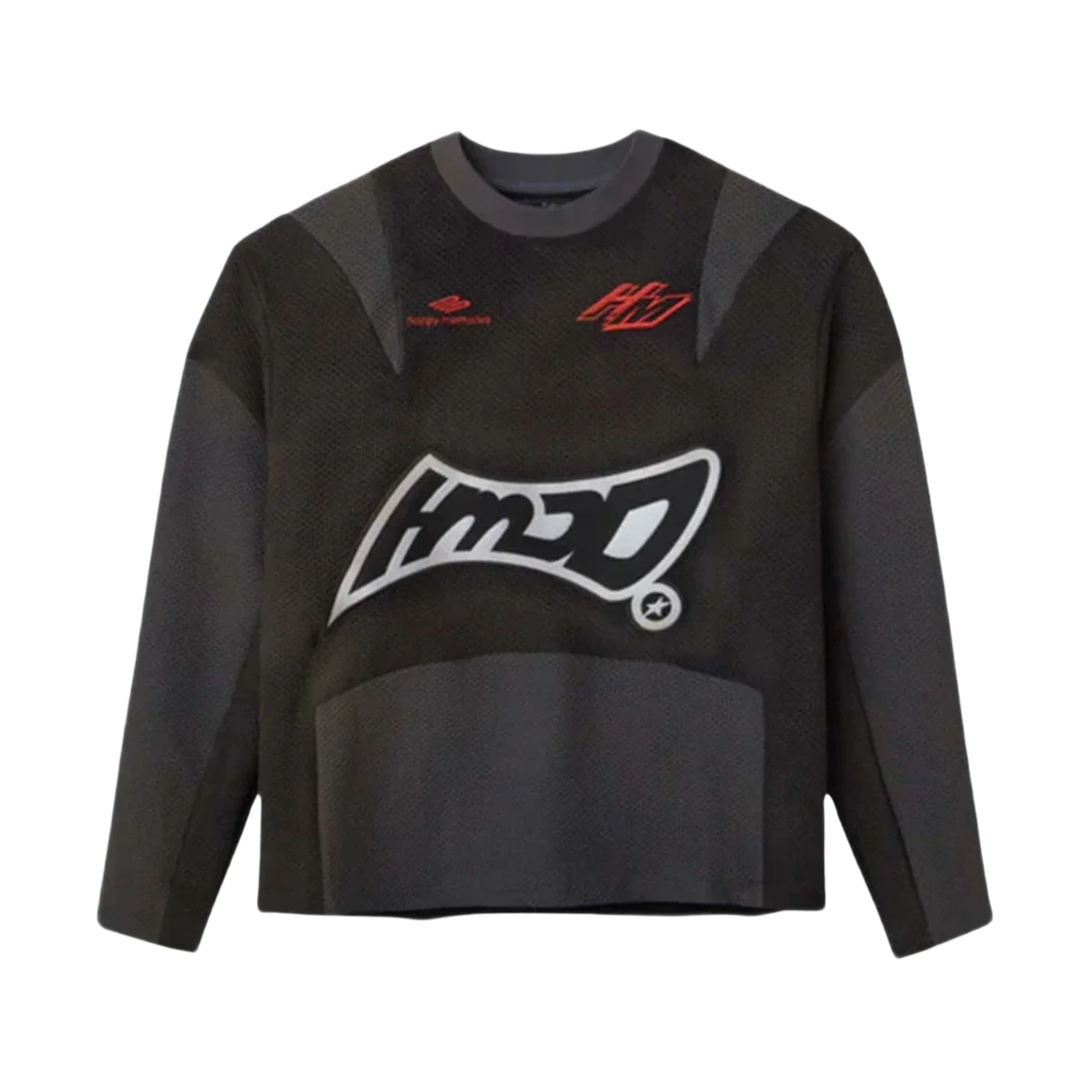
For shoppers trying to figure out the best hmdd clothing pieces to start with, reviews repeatedly steer buyers toward the sweatpants and core graphic tees as entry points, with shorts recommended for warm-weather wear. Arguably, this grassroots, review-driven guidance beats any marketing campaign, since it comes straight from people who wore the product day in and day out.
HMDDLA: Exploring the Regional Identity Angle
Streetwear has historically carried strong local roots, and HMDDLA — the Los Angeles-associated identity tied to the brand — draws from this heritage. Streetwear culture has developed in Los Angeles for decades, from skate-shop culture to small labels that eventually went global. The brand, by embracing an Los-Angeles-linked identity, plugs into a familiar heritage of West Coast streetwear tradition, giving the brand a place-based foundation that buyers can connect with above and beyond the merchandise itself.
This city-tied marketing approach isn’t exclusive to HMDD, but the follow-through here feels intentional. Instead of simply stamping a city’s name on the packaging, the HMDDLA approach builds on the brand’s wider narrative: memories tied to place, time, and community. It offers shoppers a narrative worth investing in, not merely an item.
Local identity additionally fuels grassroots community building. City-based pop-ups, joint projects, and word-of-mouth expansion in a specific city generally foster deeper brand loyalty than purely internet-based labels. Whether HMDDLA stays a key piece of the brand’s identity through 2026 will likely depend on how much the label continues to commit resources to real-world presence versus remaining mainly internet-centric.
Typical Street-Style Brands Compared With the HMDD Line
In order to grasp where HMDD lands amid the competition, one should compare its overall strategy against common streetwear competitor patterns. The chart that follows represents broad trends within the category rather than precise price comparisons between brands, since specific competitor pricing shifts all the time.
| Consideration | HMDD Way of Doing Things | Standard Comparable Streetwear Label |
|---|---|---|
| Brand Voice | Full phrase-based brand identity (“Happy Memories Don’t Die”) | Typically logo-first, short on storytelling |
| Catalog Scope | Tees, hoodies, sweatpants, shorts | Differs a lot from brand to brand; a lot of them stay centered on tees and hoodies at the outset |
| Regional Identity | A HMDDLA-linked brand presence | A mixed bag; some brands steer clear of regional connections altogether |
| Scaling Plan | A path from small-batch drops to a complete wardrobe system | Frequently comparable, although how fast brands scale varies from label to label |
| Customer Input Cycle | Closely tracking review-driven sizing adjustments | Uneven industry-wide |
The Place HMDD Positions Itself for 2026
With 2026 on the horizon, HMDD has reached a standing many independent streetwear labels strive toward yet rarely attain: a well-known identity, a growing range of products, plus a loyal, vocal audience that actively talks about the label via feedback and search patterns.
Following the same disciplined pattern found in comparable streetwear success stories, the shift from a phrase-driven concept to a multi-category clothing brand unfolded step by step — beginning with a niche focus, building loyalty, before scaling out with intention.
A brand planning beyond a solitary hero product is what’s suggested by the addition of sweatpants and shorts alongside the initial tee-driven lineup. The regional identity tied to HMDDLA brings an added sense of place-based authenticity that echoes streetwear’s long-standing roots in distinct cities and subcultures. At the same time the ongoing conversation around HMDD review content — encompassing both compliments and constructive feedback — implies a brand persistently evolving based on genuine shopper input rather than guesswork.
For buyers considering HMDD clothing for the first time, the approach is fairly straightforward: kick off with a foundational item, take note of sizing notes from existing reviews, and expand into sweatpants or shorts once fit preferences are confirmed. How the brand grew from a single resonant phrase into a full-fledged streetwear staple is a reminder that in this industry, a consistent message often outlast simply chasing trends — meanwhile the path HMDD is on through 2026 looks like a continuation of that same principle.